
How Independent Problem Solving Builds Student Confidence in the Classroom
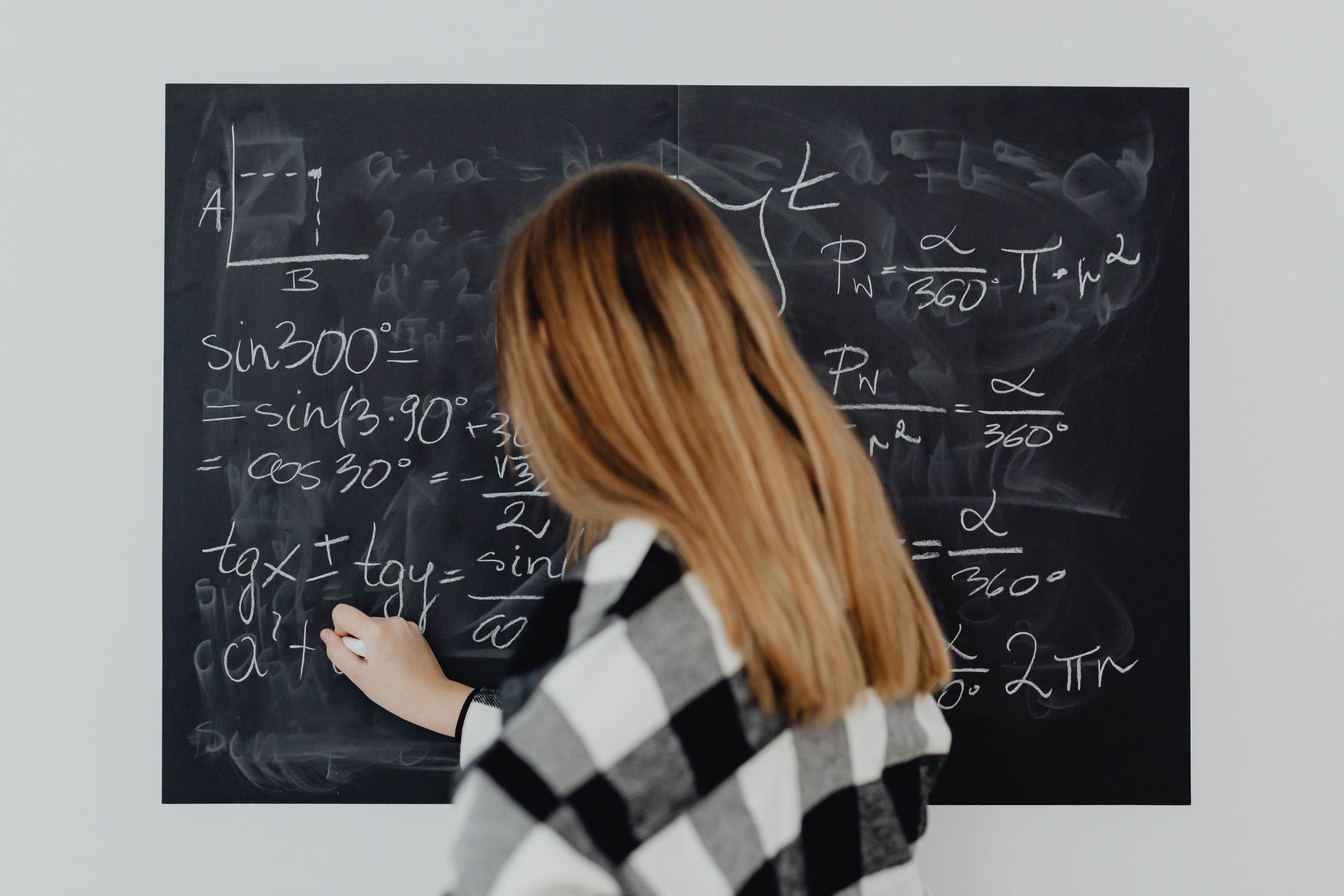
A difficult equation brings a heavy stillness where the pencil rests against the paper. When a task feels insurmountable, a wave of discomfort rises, presenting a choice between retreating or sitting with the struggle. The immediate impulse to walk away often stems from a desire to avoid mistakes. Stepping into the difficulty helps students realize that tension is a normal part of expanding what is possible.
Confidence grows when the mind experiences the physical reality of moving through a difficult project without someone else taking over. When assistance is offered too quickly, an internal narrative subtly begins to doubt personal capability. Believing that skills grow through practice alters how a roadblock feels. By breaking an overwhelming goal down, the focus shifts away from paralysis and begins to see mistakes as natural milestones.
The development of natural certainty
The weight of a challenge reveals that the mind holds its own against the difficulty. Learning to navigate heavy academic moments alters how the self is viewed. This shift in perspective transforms a difficult task from a threat into a problem waiting for a strategy. As effort leads to progress, the internal narrative shifts from doubt to a quiet certainty in personal capability.
A clear path through the friction
Friction loses its grip when a large task is sorted into smaller, clear actions:
Defining the objectiveStating the exact nature of the problem aloud strips away ambient anxiety, leaving only the concrete task at hand.
Gathering potential pathsListing options without initial judgment opens up the creative landscape, allowing the mind to explore freely.
Weighing the outcomesExamining the strengths and limitations of each choice provides a grounded sense of clarity before taking action.
Stepping into executionTesting the chosen path provides immediate feedback, shifting the focus from abstract worry to physical participation.
Reflecting on the outcomeReviewing the result highlights what worked, ensuring that even an incorrect attempt serves as a building block for future understanding.
Guided presence in creative spaces
Academic art electives and core classrooms at Eva Carlston Academy offer an environment where this process unfolds daily through tangible mediums and analytical challenges. In the studio and at the desk, a student facing a complex sculpture or a difficult text learns to tolerate the mistakes that naturally arise.
Instructors guide by asking empowering questions rather than correcting the canvas or the worksheet themselves, allowing girls to discover a distinct voice. Through regular critiques and structured coursework, the focus shifts entirely away from achieving a flawless grade and toward honoring the persistence required to create and analyze.
A return to momentum
Growth is a quiet shift. Watch a student sit before a complex canvas or a difficult text, watching the tension leave the shoulders as the first stroke is made. Resilience lives in that precise transition, the moment the mind stops resisting the challenge and simply begins the work.
References
Mission Prep Healthcare. Problem-Solving Skills for Teenagers. (2025).
American Academy of Pediatrics. Fostering Resilience in Adolescents. (2024).
National Center for Biotechnology Information. Teaching Discipline-Based Problem Solving. (2022).