
Fine Art
FINE ARTArt as a Catalyst for Healing
At Eva Carlston Academy, the arts are a central part of how students express themselves, process emotions, and explore identity. Creative expression is integrated into academic learning, therapeutic work, and daily life.
Whether painting, dancing, acting, writing, or composing music, girls are encouraged to explore a range of media and discover which ones help them feel most connected, grounded, and understood.


A Place to Create and Connect
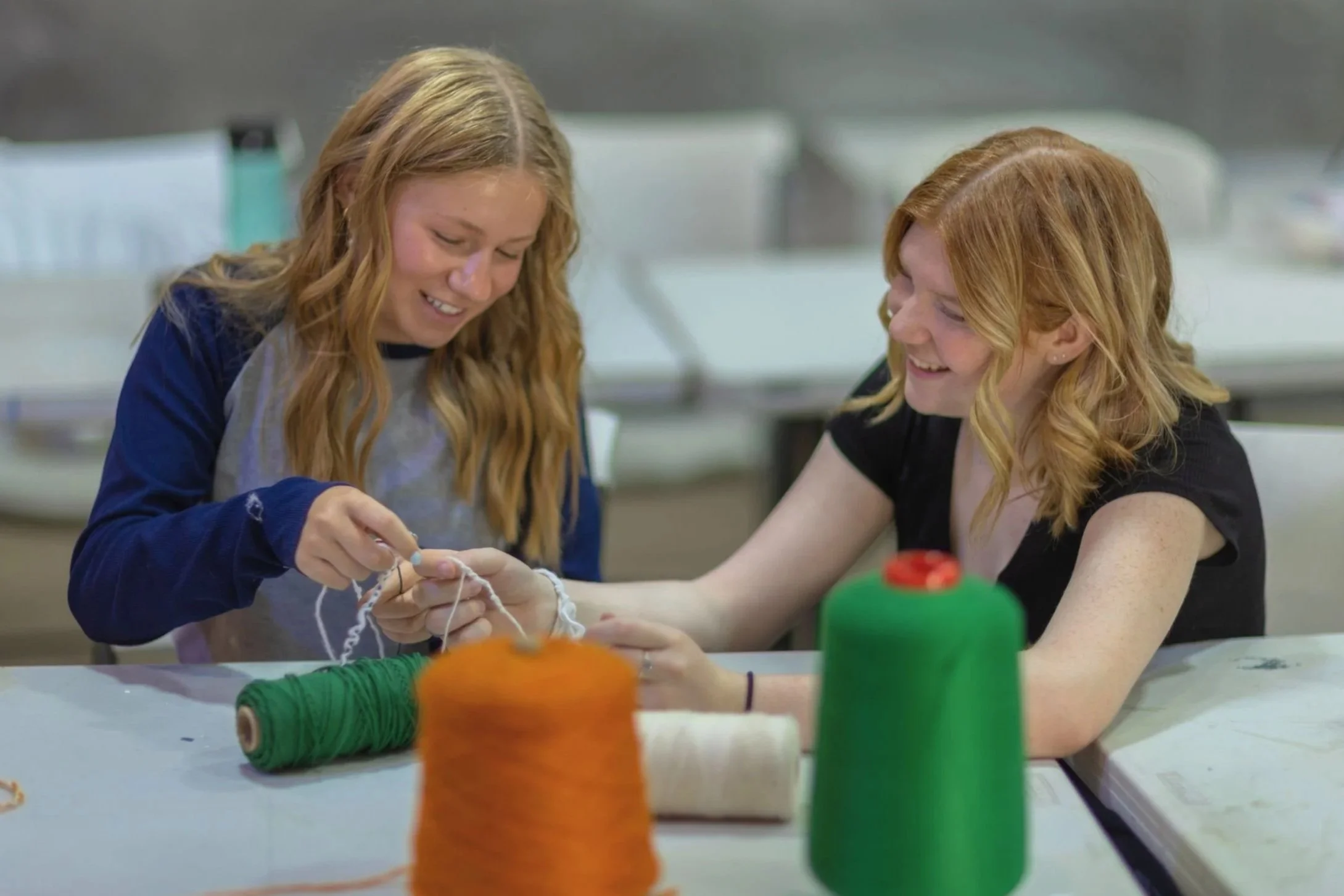
Art at Eva Carlston invites girls to explore new forms of expression, take creative risks, and grow in confidence. With guidance from mentors and access to professional tools, each student has space to reflect, express, and connect through the arts.
EVA CARLSTON ACADEMYDedicated Spaces and Supportive Mentors
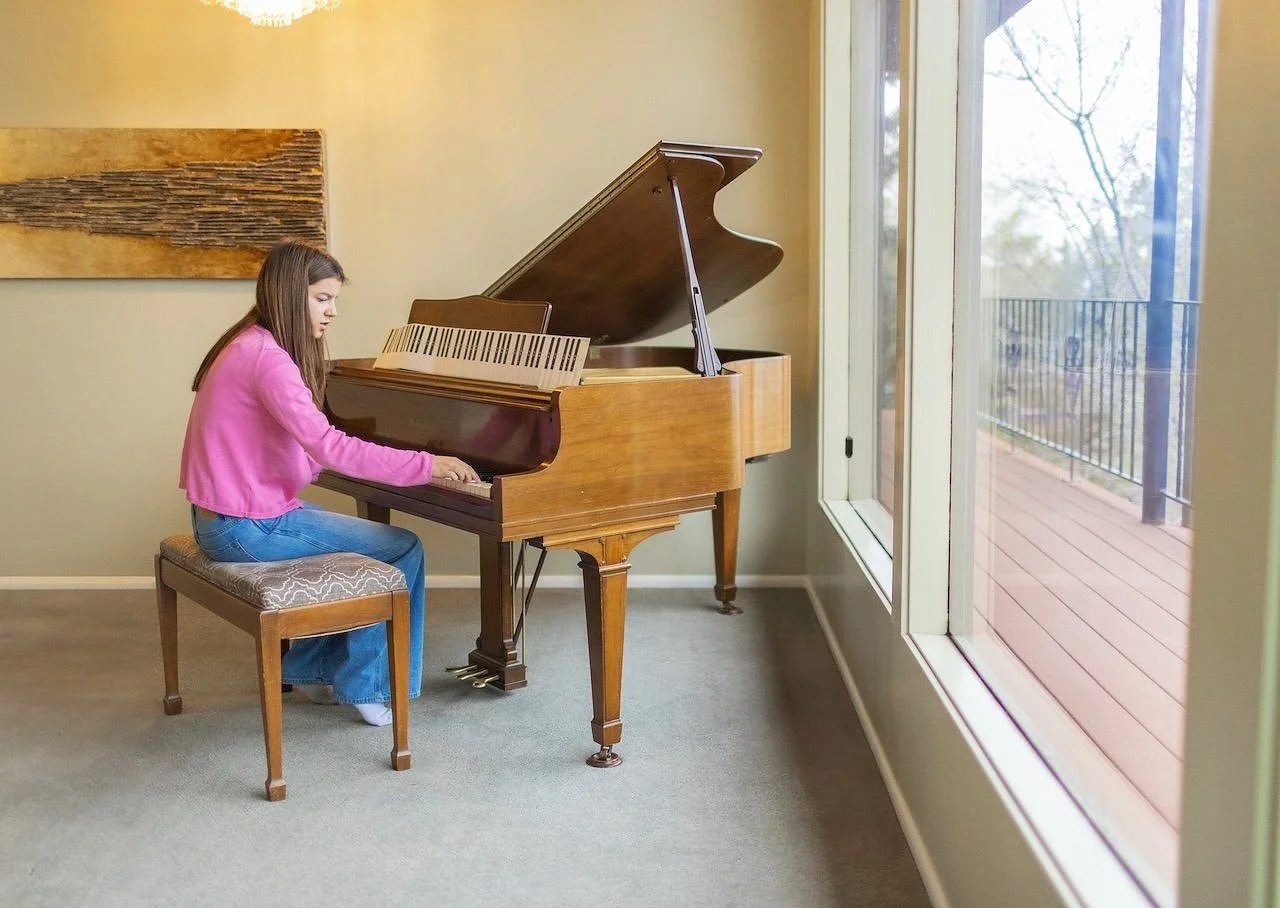
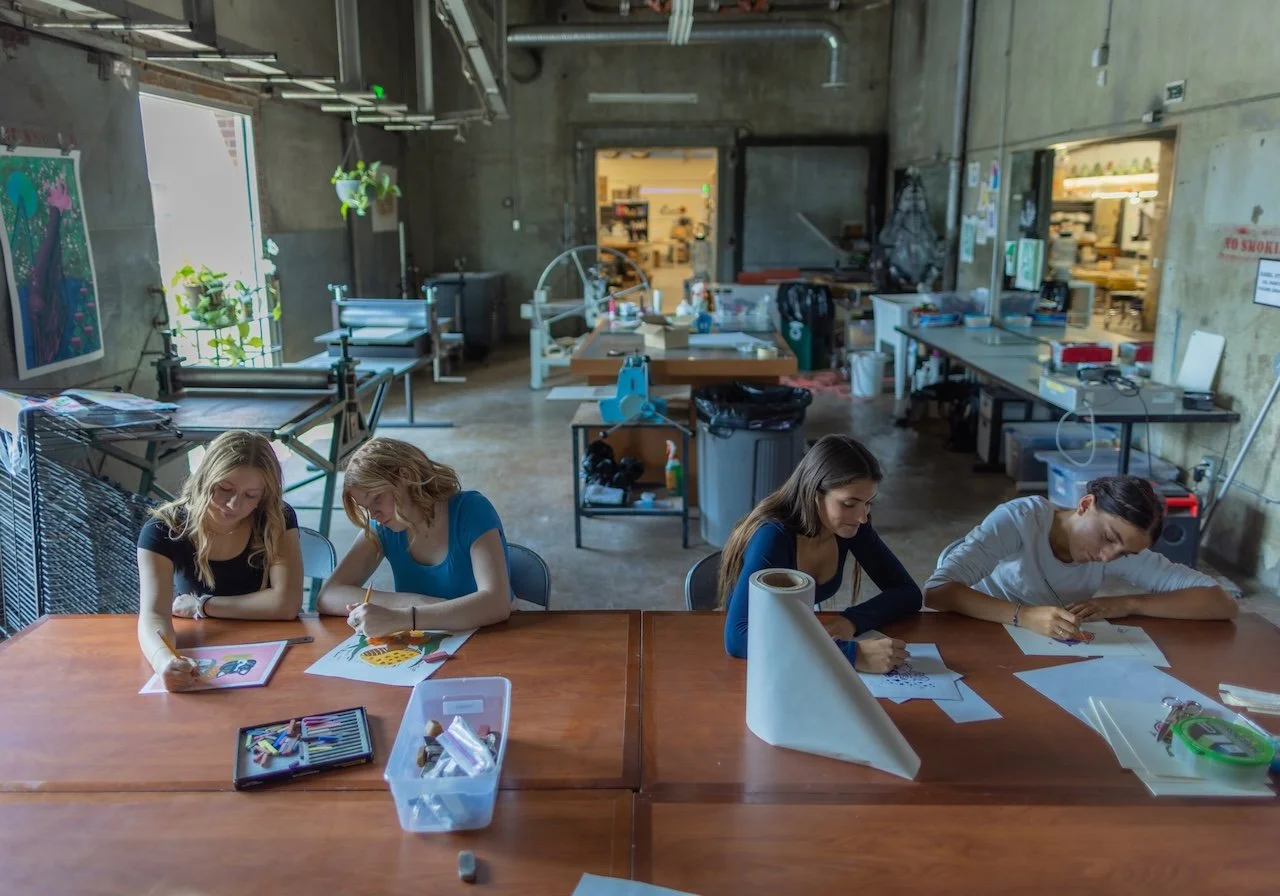
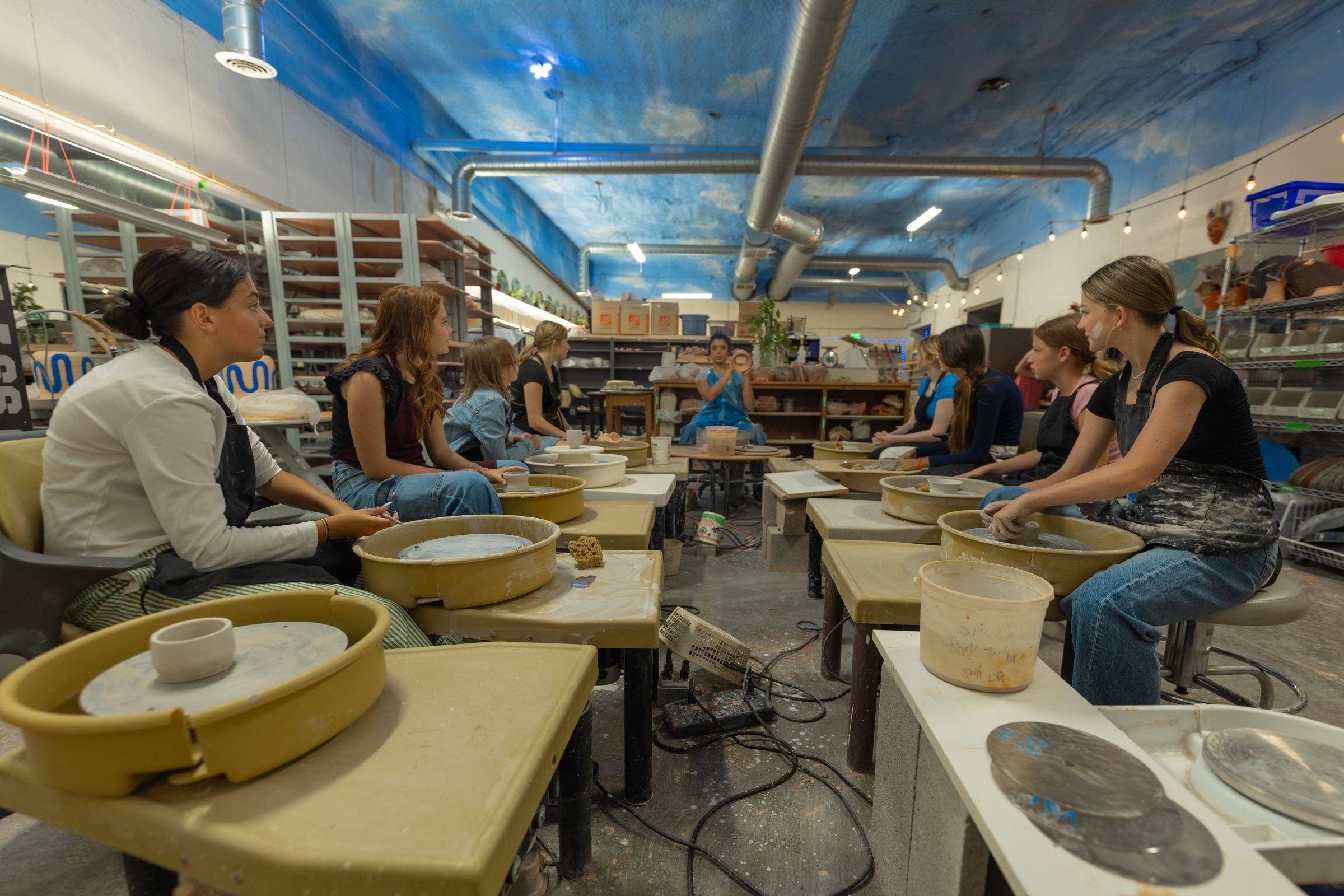
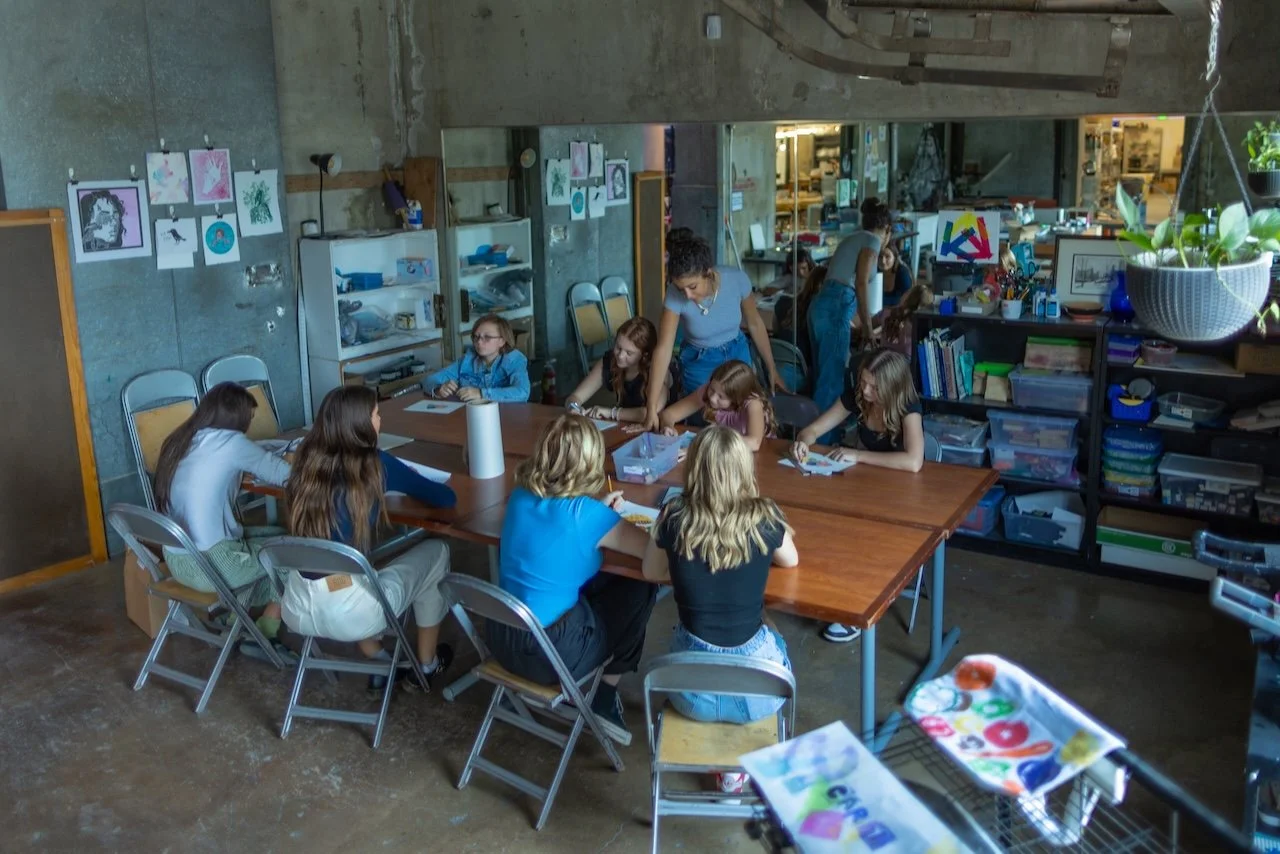
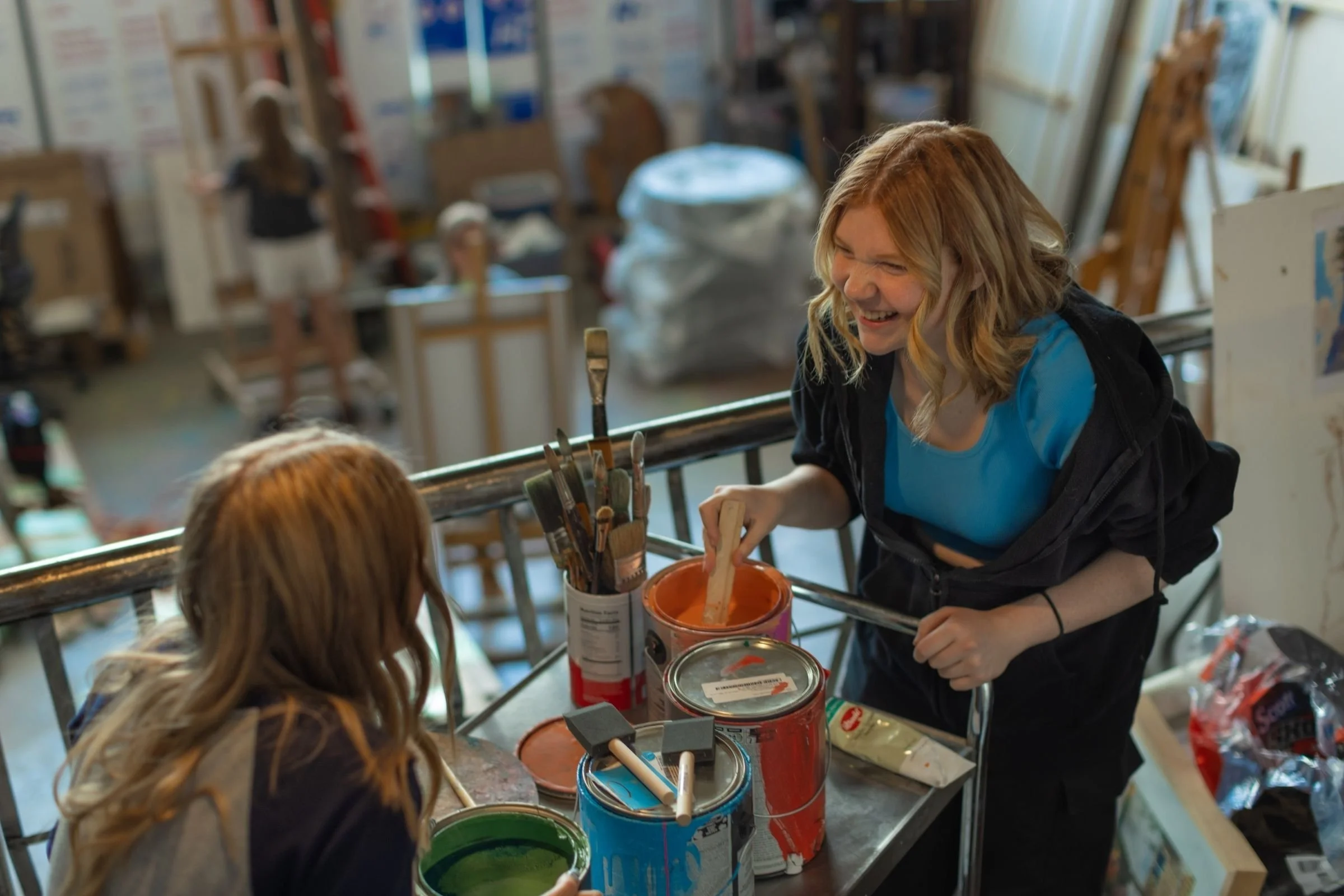
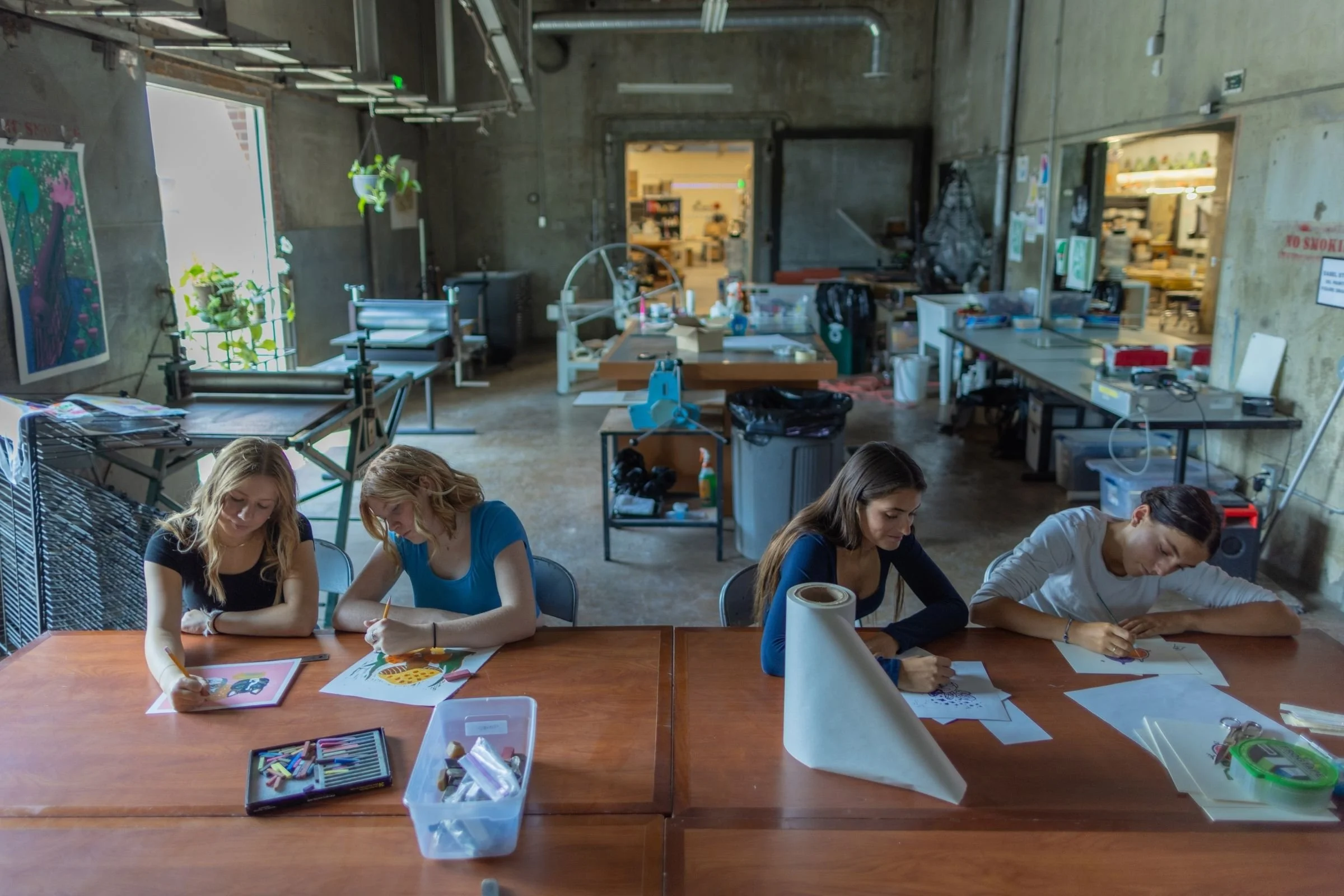
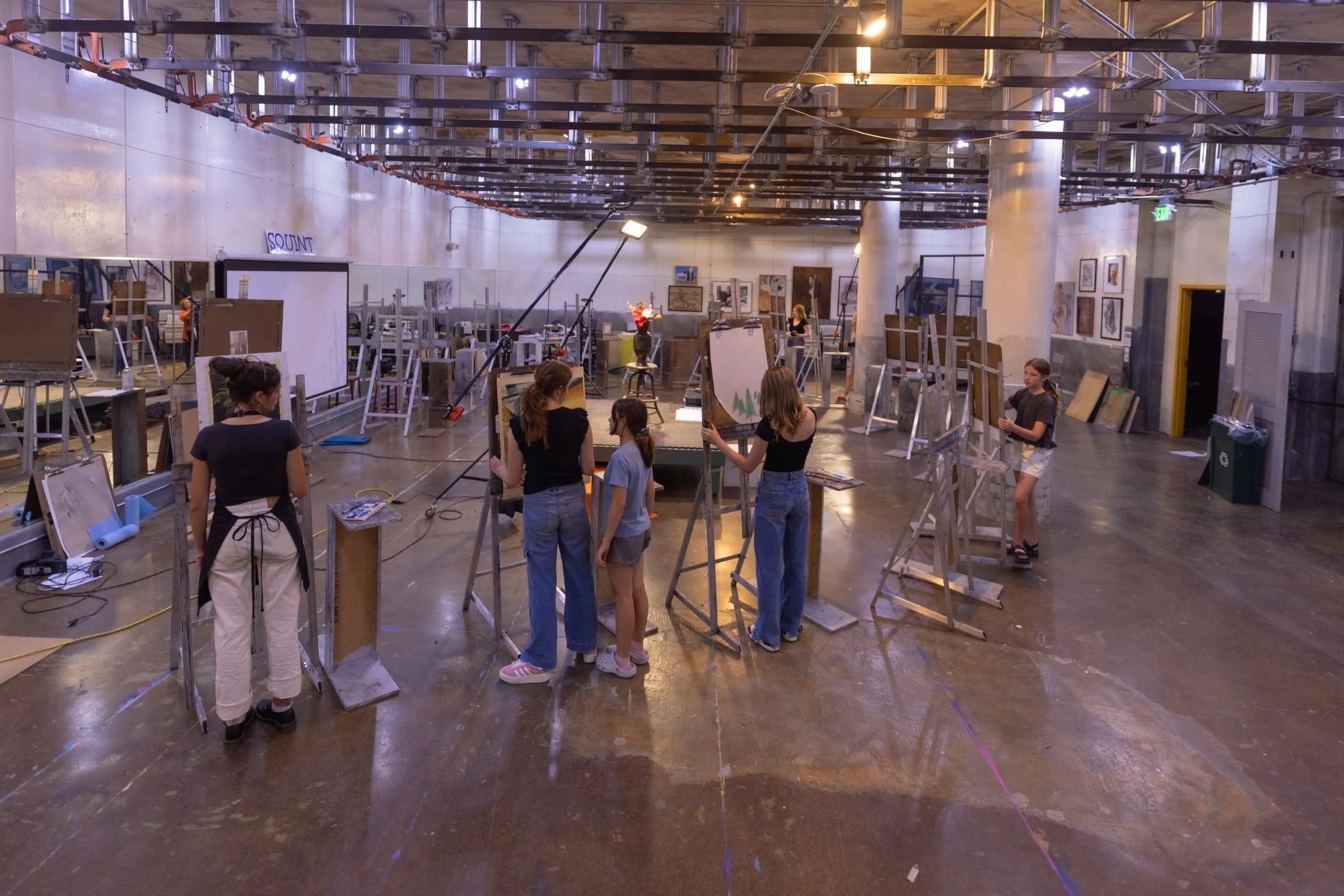
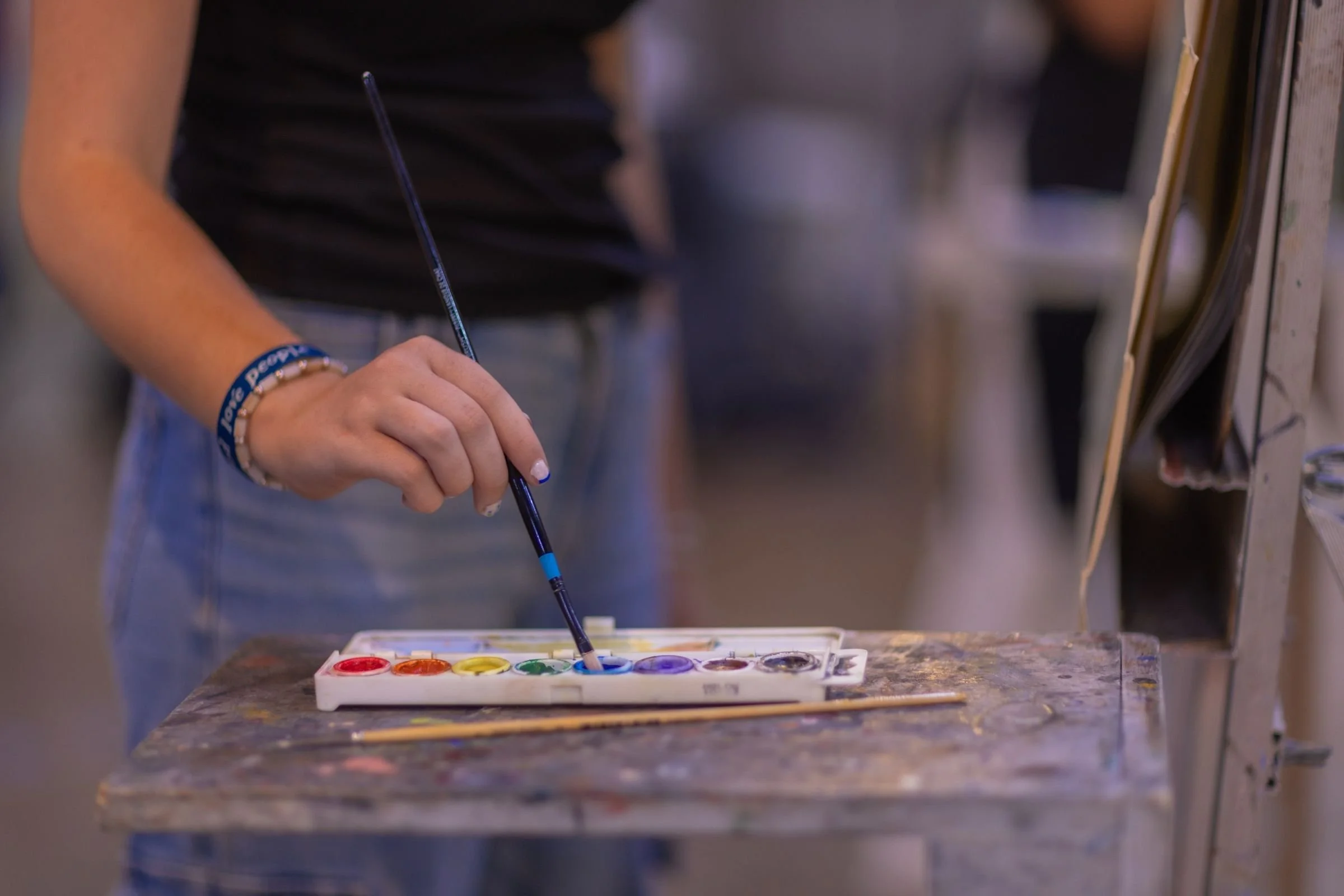
We provide students with access to studio space, time, and instructors who guide them through both visual and performing arts. Whether working with clay, movement, or mixed media, students are invited to take creative risks and find their voices. By trying a variety of media, students learn to embrace mistakes, work through perfectionism,and build confidence.


FINE ARTTherapeutic Expression Through the Arts
Artistic expression can be a potent therapeutic tool, providing an outlet for emotions and feelings that are too difficult to express verbally.
-
Licensed therapists and trained artists facilitate art therapy sessions designed to support both individual and group growth.
-
Projects may center around themes such as identity, self-image, family dynamics, boundaries, and personal stories.
-
By giving and receiving feedback in daily critiques, students develop critical thinking, problem solving, and professional art skills.
-
The goal of art therapy is not to achieve artistic perfection but rather to engage in honest reflection and emotional processing.



A Wide Range of Creative Opportunities
Artistic expression is integral to every aspect of life at Eva Carlston Academy. Girls engage with the arts through structured classes, therapeutic sessions, and enrichment activities, including:
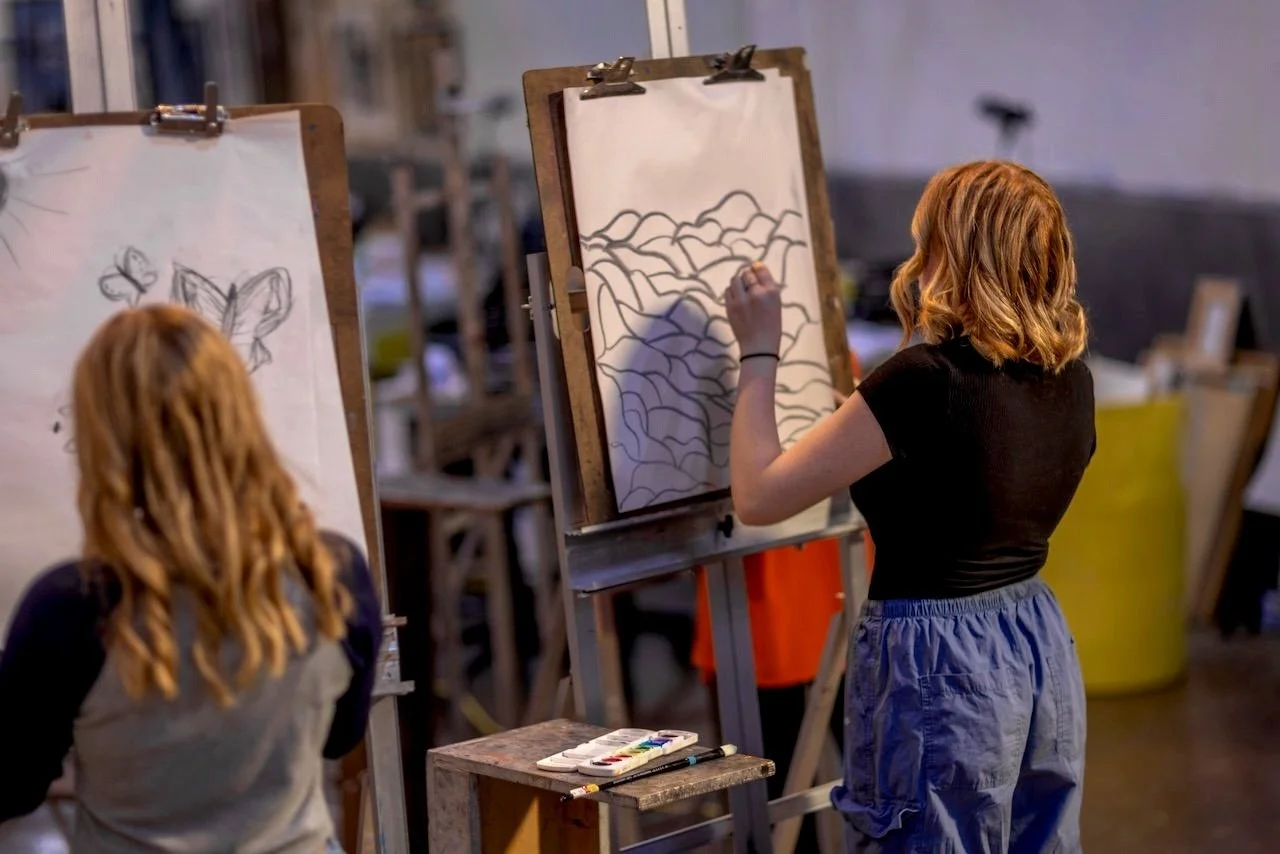
Weekly art therapy and studio time
Music and poetry workshops
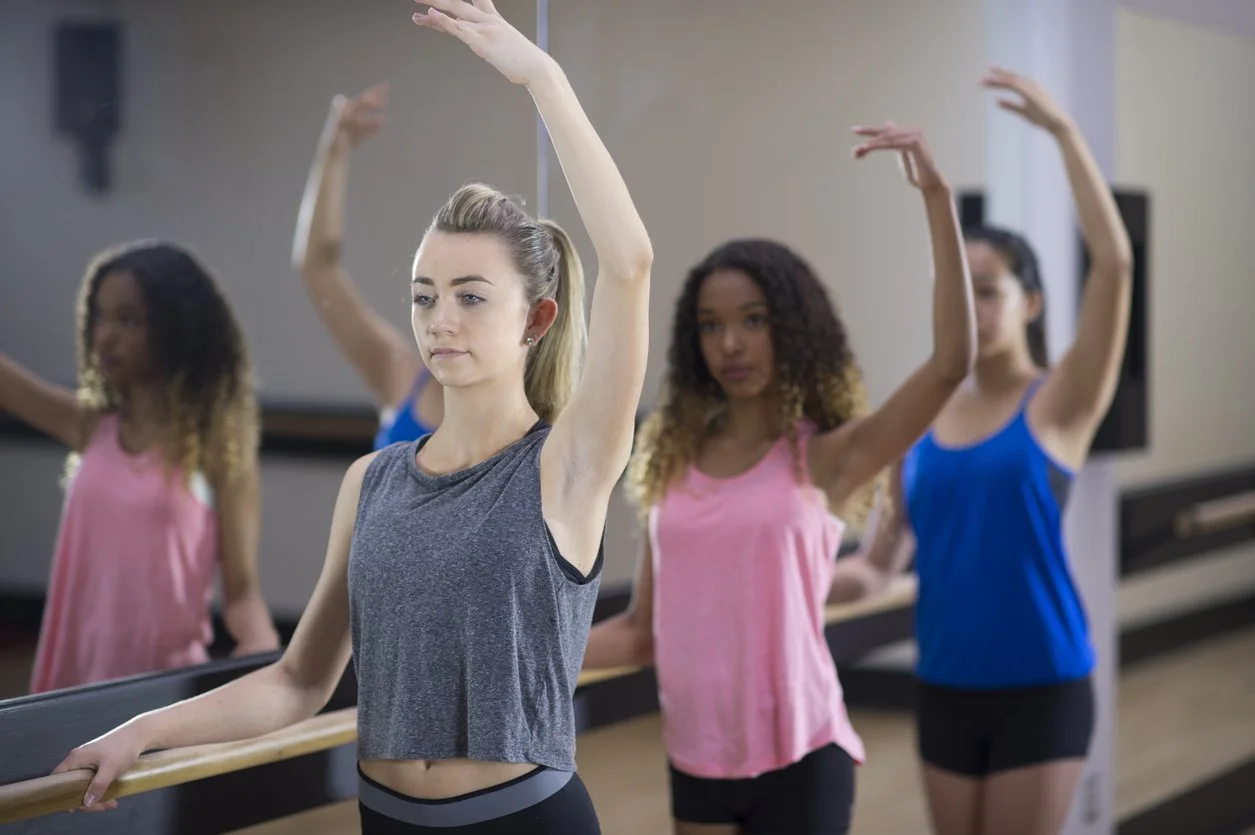
Dance and movement classes
Saturday art workshops that introduce new materials and techniques
Photography excursions
Portfolio development for college preparation or personal growth
Monthly gallery visits and community art events
What Makes Eva Carlston’s Philosophy Unique
Art
Through painting, drawing, ceramics, and mixed media, students explore new ways to express themselves and process emotions. Each project encourages creativity, builds confidence, and helps girls discover passions they can carry into the future.
Drama
Drama therapy is an active and experiential process, one that provides students with the opportunity to tell their stories, solve problems, explore identity, express feelings, and achieve catharsis. Through drama, the depth and breadth of a student’s inner experience is actively enhanced.
Dance and Movement
A movement-based approach to healing offers a variety of emotional, social, cognitive, and physical benefits, regardless of ability. Students engage in activities like dance and yoga to express themselves, strengthen mind-body connection, and improve overall well-being.
Photography
Photos provide a perspective that is not always possible through other forms of expression. Students might present and discuss their personal photos of self, family, and friends, or they may work on a therapeutic photography assignment as an avenue for emotional expression and communication.
Writing
Putting pen to paper is beneficial for both emotional and mental health. It can help ease emotional pain, reflect on ways to find meaning in life, and develop critical thinking skills. Students regularly use writing as a tool for reflection as well as a practice for improving general well-being.
Music
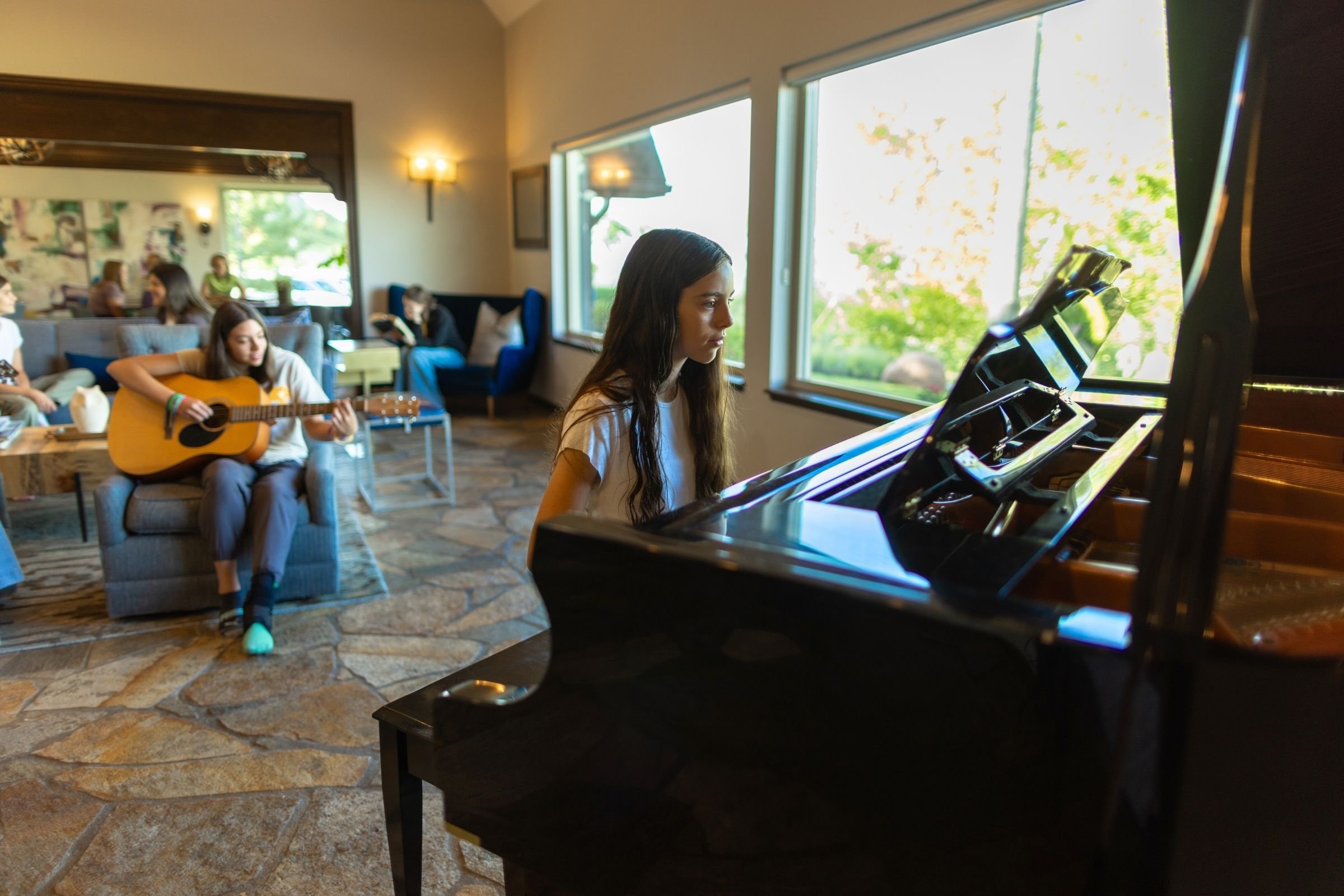
Music therapy utilizes sound-based expression to help students access and communicate their inner state of being. Expression through music—whether in the form of sophisticated guitar chords or simple drumming patterns—offers a range of powerful mental health benefits for people of all abilities.



CONTACT USLearn More About How the Arts Support Growth and Healing
Have questions about our art or music therapy programs? We’d love to talk about how creative expression helps our students process emotions, build confidence, and discover new passions.