
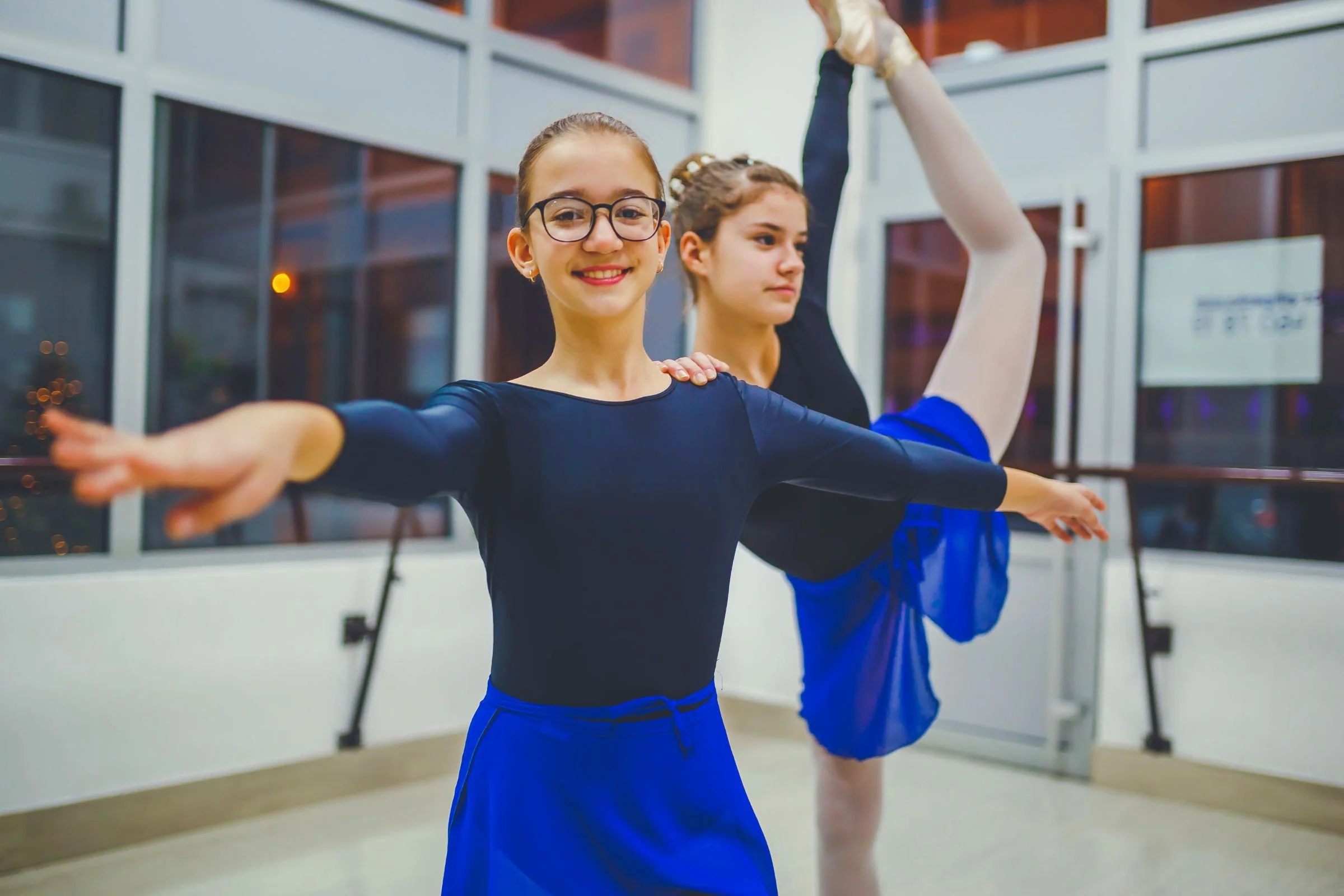
It is common to treat our bodies like vehicles that simply carry our brains from one meeting to the next. In a world that demands constant mental energy, it becomes easy to disconnect from our physical selves. Yet, there is a specific kind of relief that happens when we finally stop thinking and start moving. It often feels like coming home.
The chemistry of a better mood
Physical activity acts as a natural reset button for the nervous system. When you move, your brain releases a natural surge of chemicals like endorphins, dopamine, and serotonin.
These substances improve the mood in the moment. They also actively lower systemic inflammation and reduce cortisol levels. This shift helps move you out of a "fight or flight" state and into a place of relaxation. Regular, intentional movement acts as a shield against anxiety by creating a baseline of calm that stays with you.
Movement as a tool for focus and regulation
While these chemical shifts are powerful, the benefits of staying active extend beyond how you feel. Motion plays a vital role in cognitive function and focus.
When you engage in exercise, your body increases the production of brain-derived neurotrophic factor, which is a protein that aids in nerve growth and protects brain health. This process enhances neuroplasticity, making it easier to learn new skills and stay present. Short bursts of activity (sometimes called movement snacks) help you regain mental clarity when things feel overwhelming!
Reconnecting through somatic release
Gaining mental clarity reveals deeper layers of tension that require a distinct approach to resolve. Stress and past experiences reside in the body, settling into areas like the shoulders, the jaw, and the hips instead of remaining only in the mind. Unresolved trauma manifests as physical constriction within the nervous system. The resulting physiological state prevents the body from returning to a natural baseline of rest.
Sometimes, trying to talk through these feelings is not enough because the tension is physical. Somatic movement offers a way to release that stored energy without needing to find the perfect words. By focusing on the sensation of a stretch or the weight of your feet on the floor, you begin to process emotions that feel too heavy to carry. It provides a safe way to reclaim a sense of agency and comfort within your own skin.
Finding joy in the rhythm of dance
Processing these physical sensations does not always have to feel heavy; it can also be a source of liberation. Dance takes the benefits of movement and adds a layer of creative expression.
It allows you to find a rhythm that feels authentic to your own experience. Whether you are following a specific routine or simply moving to a song in your kitchen, dance encourages a sense of play that is usually missing from adult life.
The legendary dancer Martha Graham once said, "The body says what words cannot." This sentiment rings true for anyone who has ever felt a shift in their perspective after a few minutes of moving to a beat. It bridges the gap between the physical and the emotional.
Simple ways to stay active
You do not need a gym membership or a complex routine to see these benefits. Small, intentional choices are usually better for consistency than sporadic, intense sessions.
Mindful movement: Practice yoga or tai chi to combine motion with deep breathing.
Movement snacks: Take a five-minute walk between tasks to reset your brain.
Aerobic bursts: Try cycling, running, or a quick dance session to boost your heart rate.
Functional motion: Gardening or taking the stairs count as meaningful activities.
The role of active living at Eva Carlston
We view movement as a natural bridge between physical health and emotional growth. This emphasis on regular motion reflects the understanding that a resilient mind begins with a healthy body. Students attend yoga and dance sessions alongside daily outdoor recreation time, which includes hiking through the surrounding landscape.
These activities, paired with structured workouts like pilates and kickboxing, help them stay grounded while they develop a stronger sense of self. Integrating physical movement into every day provides a reliable way for our students to practice regulation. By building their physical confidence, they gain the strength needed for their personal journeys.
More from our blog
Art, Movement, and Mindfulness: Creative Pathways to Self-Discovery
Beyond Talk Therapy: How Eva Carlston Academy Helps Girls Transform Their Lives
References
Harvard Health. Movement and mental health. (2025).
National Institute of Mental Health. Physical activity and your brain. (2024).