

Blog

Understanding ADHD in Teens: Real Support, Real Growth
ADHD often presents in ways that are misunderstood. For some teens, it can involve difficulty concentrating, a high level of mental energy, or sensitivity to disruptions. Others may feel scattered, struggle with starting tasks, or find it hard to follow multi-step directions.
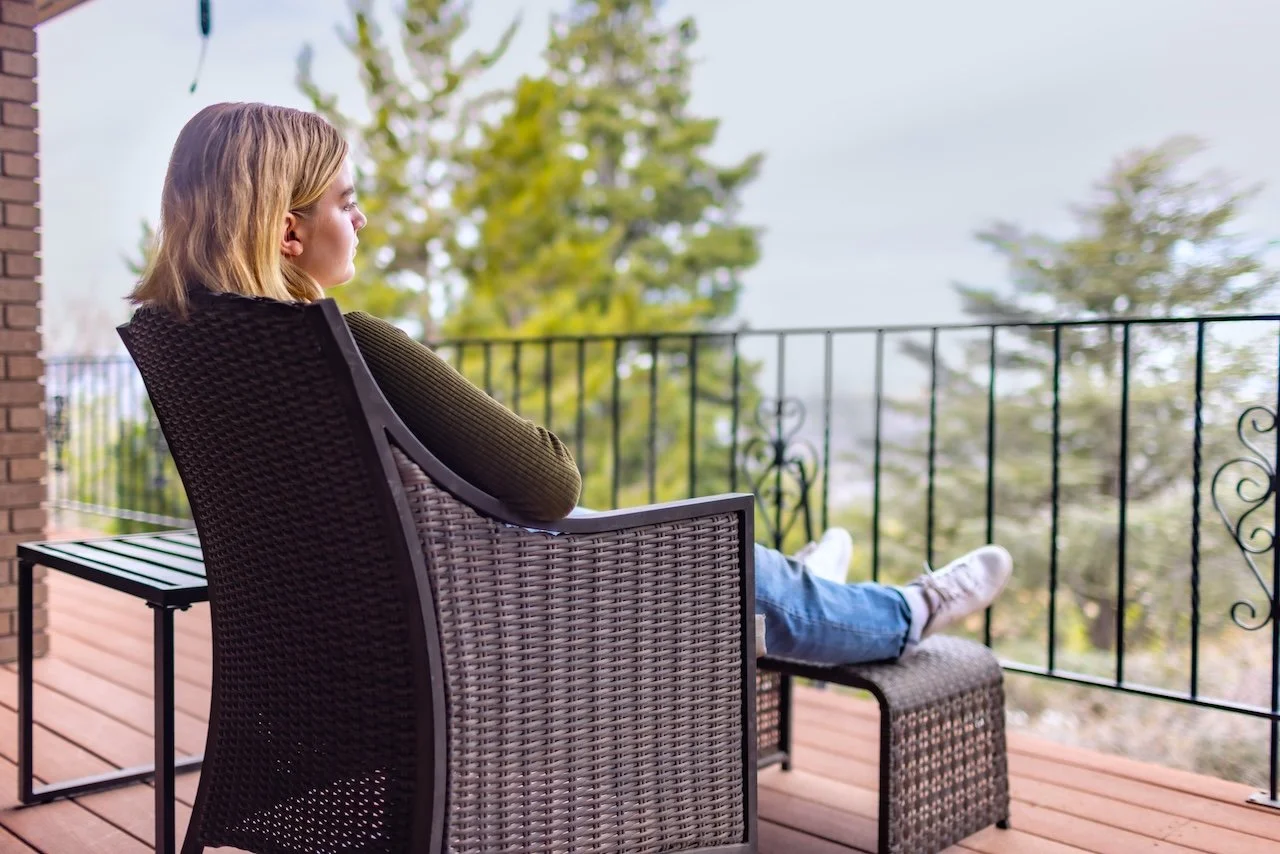
Making Room for Growth When It Feels Uncomfortable
Emotional growth in families often begins in quiet moments, not grand breakthroughs. It might look like a parent pausing before responding with frustration. It could be a teen choosing to share a vulnerable thought. These shifts can feel small, but they create space for change.
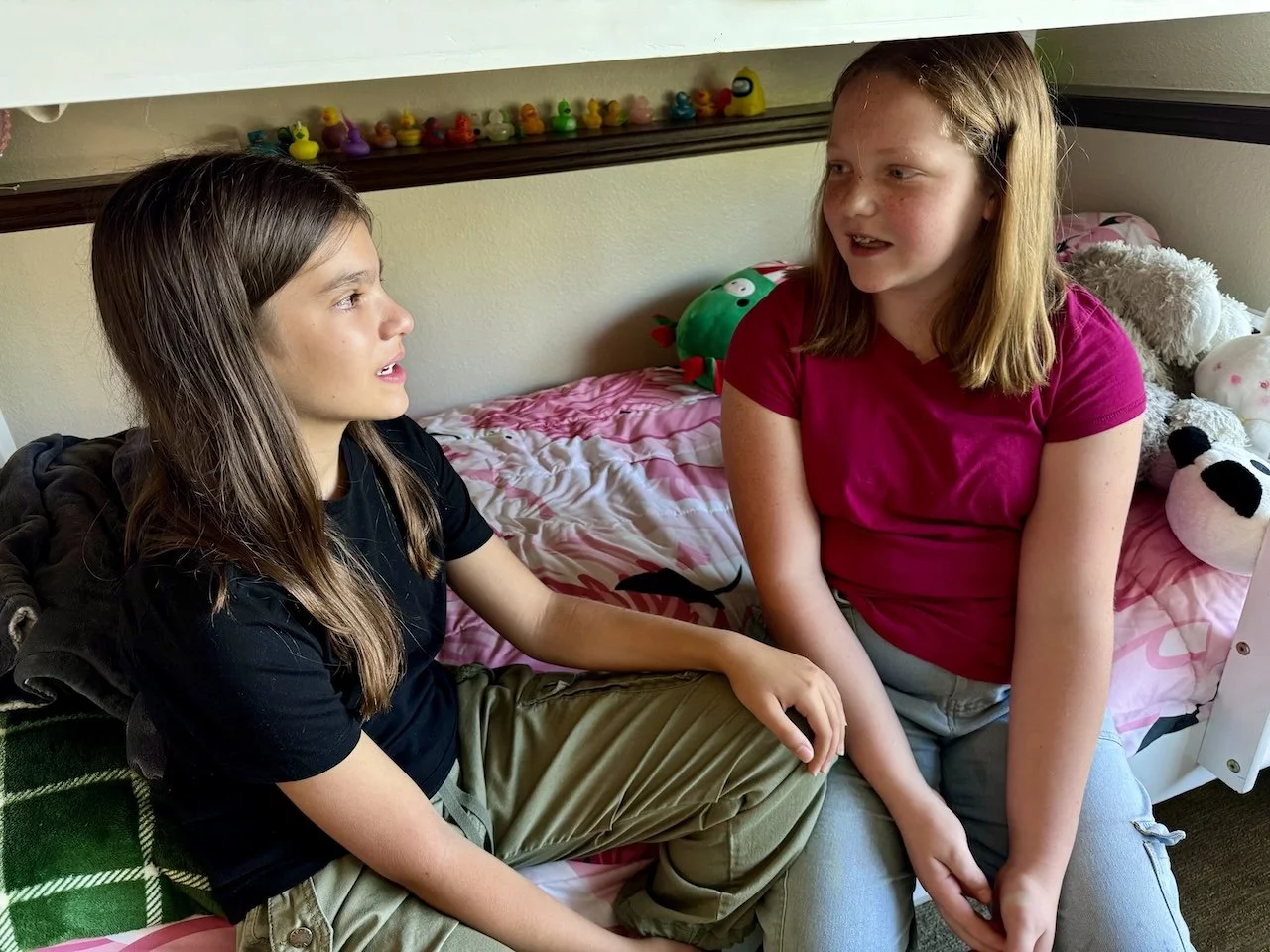
Understanding the Nervous System and Stored Trauma
Sometimes it’s not one dramatic moment that overwhelms someone. It’s the quiet buildup—the small shocks, the emotional letdowns, the stress carried through each day. Over time, those experiences settle into the body like layers of dust on a shelf. At first, they may go unnoticed; eventually, they can show up as tension, fatigue, clouded thinking, or a gentle but persistent sense of alertness even when there is no immediate threat.

Life Transitions: Understanding the Journey
Life transitions challenge what feels familiar and surface unexpected strengths. From starting a first job to moving into a new home or embracing parenthood, each shift calls for new habits and fresh perspectives. Change comes in its own time. Getting ready in your head and planning key steps can lower stress and build confidence.

Body Image, Belonging, and the Stories We Carry
Body image goes beyond what we see in the mirror. It often reflects deeper stories we carry. Efforts toward healing body image in teens begin with recognizing that this experience doesn’t happen in isolation. Teens navigating peer pressure, families exchanging casual comments, and adults scrolling through their feeds all encounter moments that shape how they view their bodies. This relationship shifts over time, shaped by lived experiences, emotional responses, and the subtle messages we absorb each day.

The Summer Social Shift: Navigating Changing Friendships
The summer social shift brings fresh opportunities and new challenges in friendships. As schedules open up and routines loosen, shifting dynamics can feel unsettling. Yet this season also offers invaluable chances to strengthen connection and personal growth.

Helping Families Practice Trauma-Informed Care At Home
Trauma-informed care at home means creating a steady environment where trust, safety, and emotional responsiveness guide daily life. Simple habits help build secure connection and support healing for children and teens.

Healing from PTSD Through Connection: How Support Rebuilds Trust
Healing from PTSD through connection begins with trust. Symptoms such as anxiety, withdrawal, and strong emotional reactions can make daily life feel unpredictable. Yet with steady support and a sense of safety, people can regain stability. Over time, consistent care and authentic connection build confidence and encourage lasting recovery.

Creative Projects to Boost Confidence Over Summer
Summer invites a change of pace and a chance to try something different. Creative summer projects for confidence offer meaningful ways to explore identity and personal growth. These activities support emotional expression, build self-trust, and offer calm structure throughout the season.

Recovering from Parenting Mistakes and Reconnecting with Your Teen
Parenting is one of life’s most meaningful roles, yet it comes without a perfect guide. Even with the best intentions, mistakes happen. A harsh word, a moment of impatience, or a misunderstanding can create distance between parent and teen. While these moments feel discouraging, they also offer important opportunities to model repair, accountability, and emotional growth. Recovering from parenting mistakes takes time, care, and a willingness to rebuild connection

Art, Nature, and Healing: Unique Therapeutic Opportunities in Utah
Therapeutic opportunities in Utah are as unique as the landscape itself. For those working through emotional challenges, the state’s incredible natural beauty and thriving arts culture provide space to breathe, reflect, and heal. For teenagers, these experiences offer a valuable chance to step away from daily stress and focus on personal growth.

Building Confidence and Skills Through Experience at Eva Carlston
Some of the most lasting lessons take place far from a desk. Real growth often begins when students are asked to do something for themselves—to contribute, create, or try. These hands-on experiences help build responsibility, self-expression, and life skills that extend beyond the classroom.

Grounded and Growing: How Time Outdoors Builds Emotional Stability in Teens
When emotional overwhelm builds, nature offers a steadying presence. It doesn’t rush. It doesn’t expect. For teens working through intense emotions, trauma, or self-discovery, being outside provides more than a pause in the day. It reconnects them with something steady and real. A quiet walk under trees can calm racing thoughts and help bring focus back to the moment.
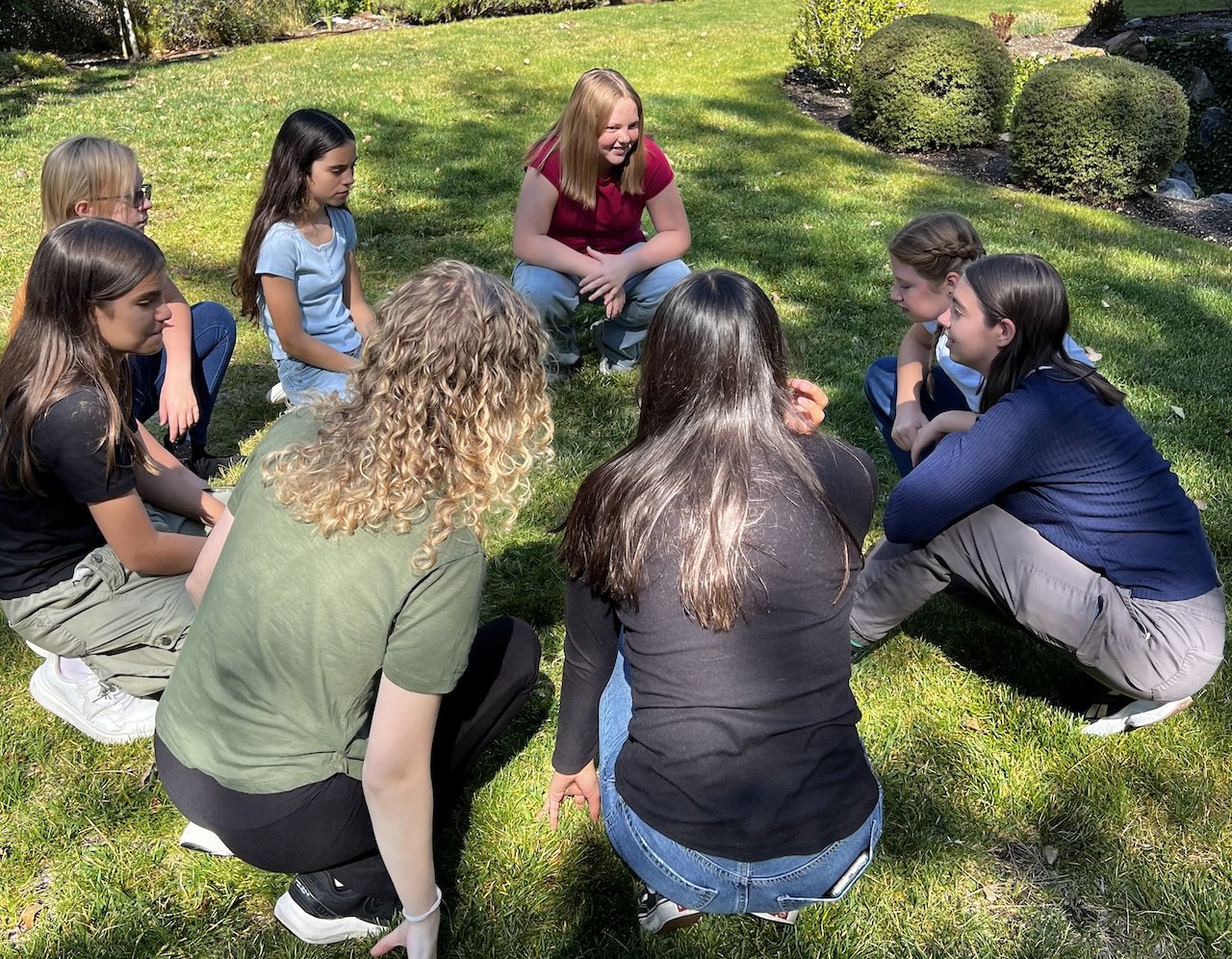
Embracing Imperfection in a World That Pushes Perfection
Perfection is everywhere—on screens, in classrooms, even in casual conversations. For many young women, the pressure to succeed, appear confident, and meet impossible standards can feel overwhelming. Embracing imperfection in teens is one of the most powerful ways to reduce that pressure. It gives them the chance to grow without fear, to try without shame, and to redefine success on their own terms.
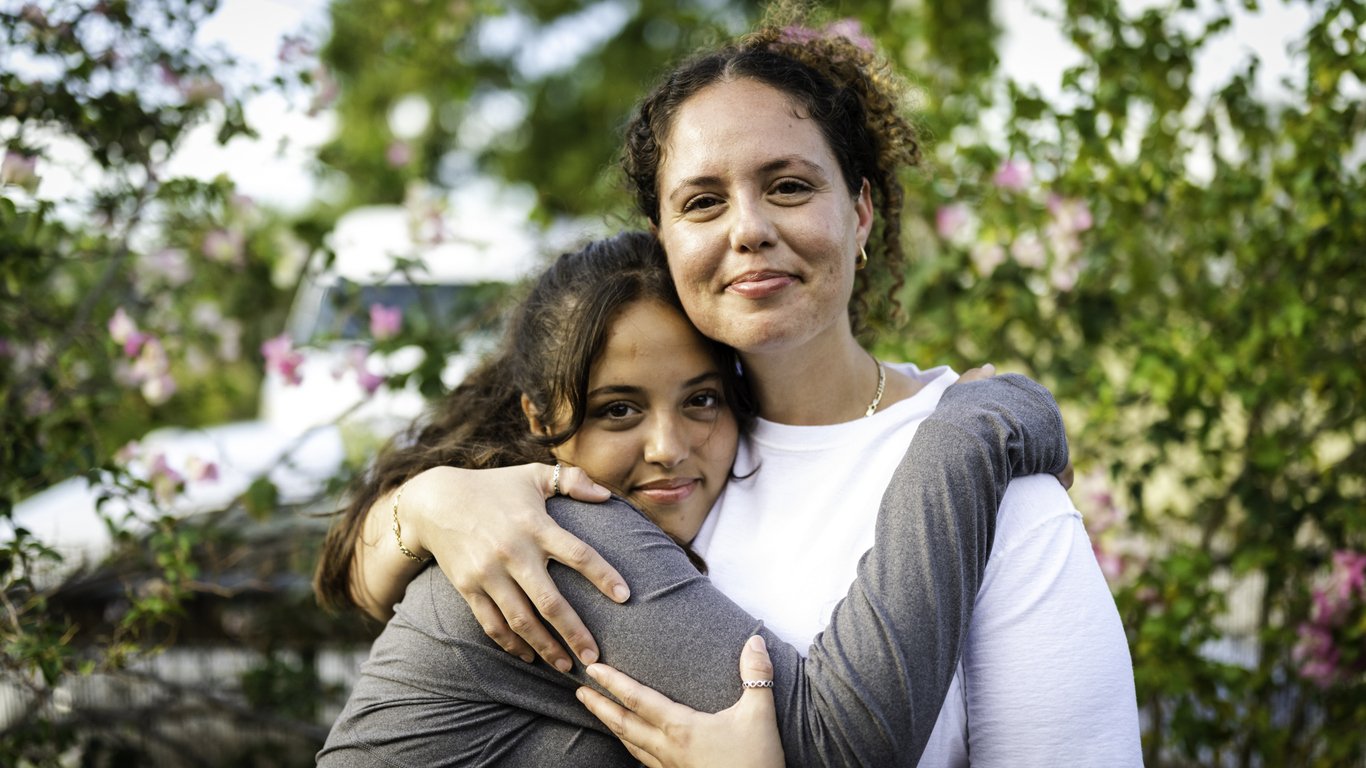
Small Shifts, Big Relief: Everyday Practices to Ease Stress for the Whole Family
Stress has a way of creeping into daily life, quietly at first, then all at once. Finding consistent family stress relief doesn’t have to be complicated. For many, stress isn’t tied to major life events but to the steady build-up of pressure, overcommitment, and emotional noise. While there’s no single fix, small shifts in how we move through the day can create meaningful space for calm.

Understanding and Applying Trauma-Informed Care in Therapy
Trauma leaves an imprint, not just on the mind, but on how young people move through the world. For many girls, past experiences shape how they respond to relationships, expectations, and even kindness. In a therapeutic setting, recognizing this impact changes everything. It shifts the tone of each conversation, the pace of progress, and the approach to healing.
How Trying New Things Can Transform the Brain
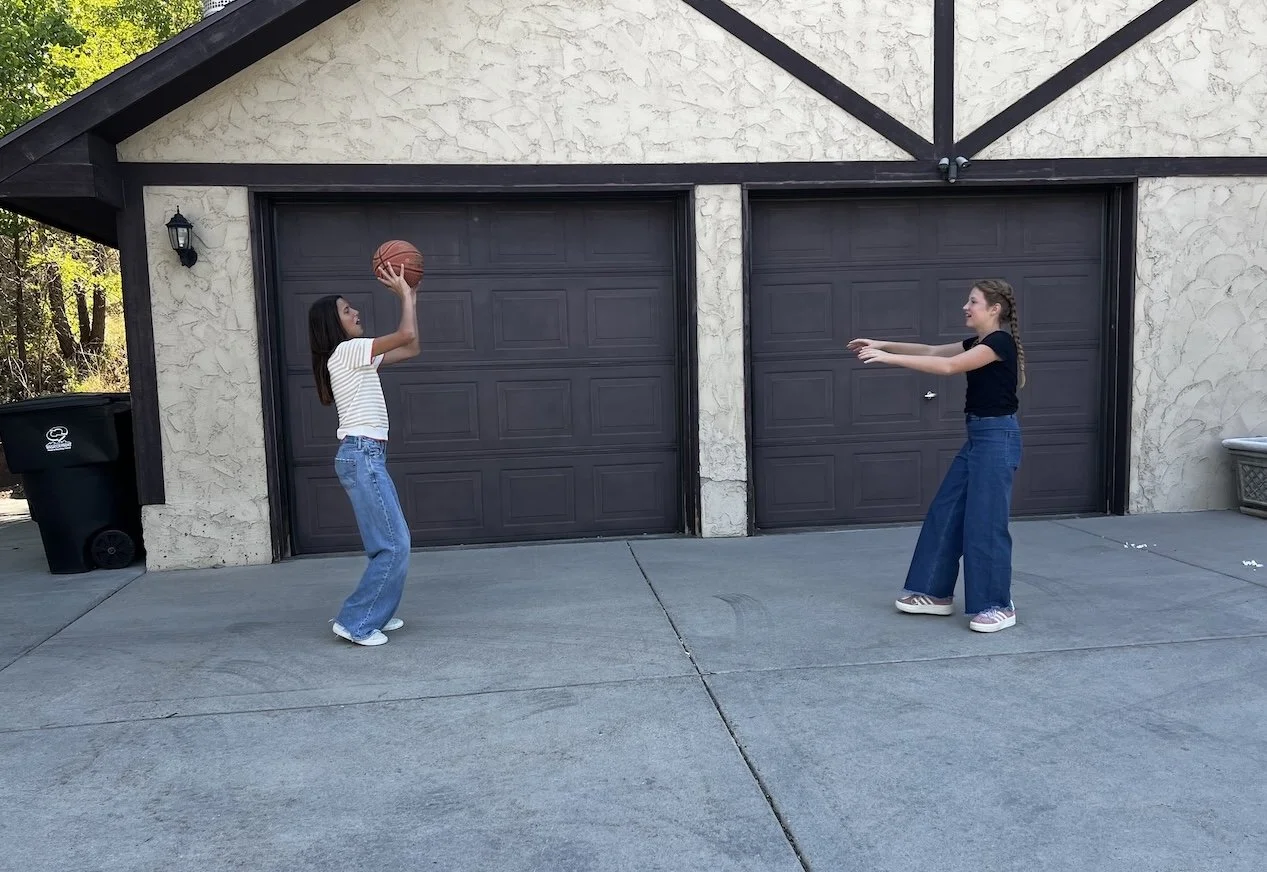
Time seems to slow down during new experiences. Learning to snowboard, painting for the first time, or experimenting with a new recipe engages the brain in exciting ways. Trying new things for brain development not only adds variety to life but also strengthens the brain and builds valuable skills.

Emotional Overload: What to Do When Everything Feels ‘Too Much’
Feeling overwhelmed can be exhausting, especially when emotions build up and seem impossible to manage. For young people navigating school, relationships, and personal challenges, those feelings can become intense. It’s easy to spiral into frustration, sadness, or even complete shutdown during feelings of emotional overload. Knowing how to reset in these moments can help bring calm and clarity.

The Power of Daily Habits: How Small Actions Can Help Teens Feel Grounded
Adolescence is often marked by change, uncertainty, and emotional ups and downs. For many teens, finding a sense of stability can feel challenging. Developing meaningful daily habits can provide comfort, structure, and a sense of control. These small actions may seem simple, but they can have a lasting impact on emotional health and overall stability.
Beyond Talk Therapy: How Eva Carlston Academy Helps Girls Transform Their Lives
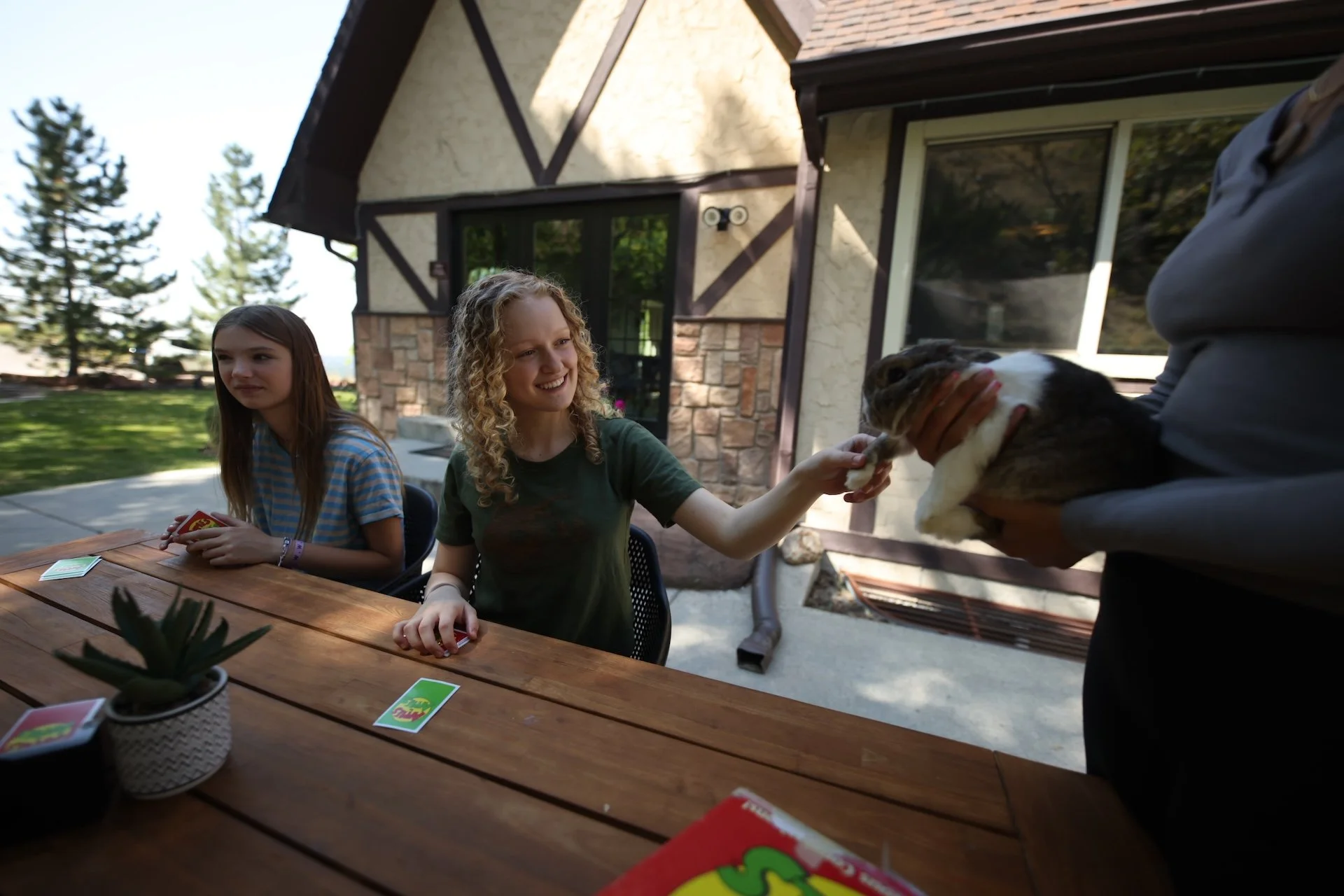
When a student is struggling with emotional or behavioral challenges, effective therapy is crucial to her healing. At Eva Carlston Academy, therapy isn’t just about addressing the symptoms—it’s about empowering each student to understand herself, build healthier relationships, and rediscover a sense of purpose.