
How Shared Community Action Restores Emotional Health
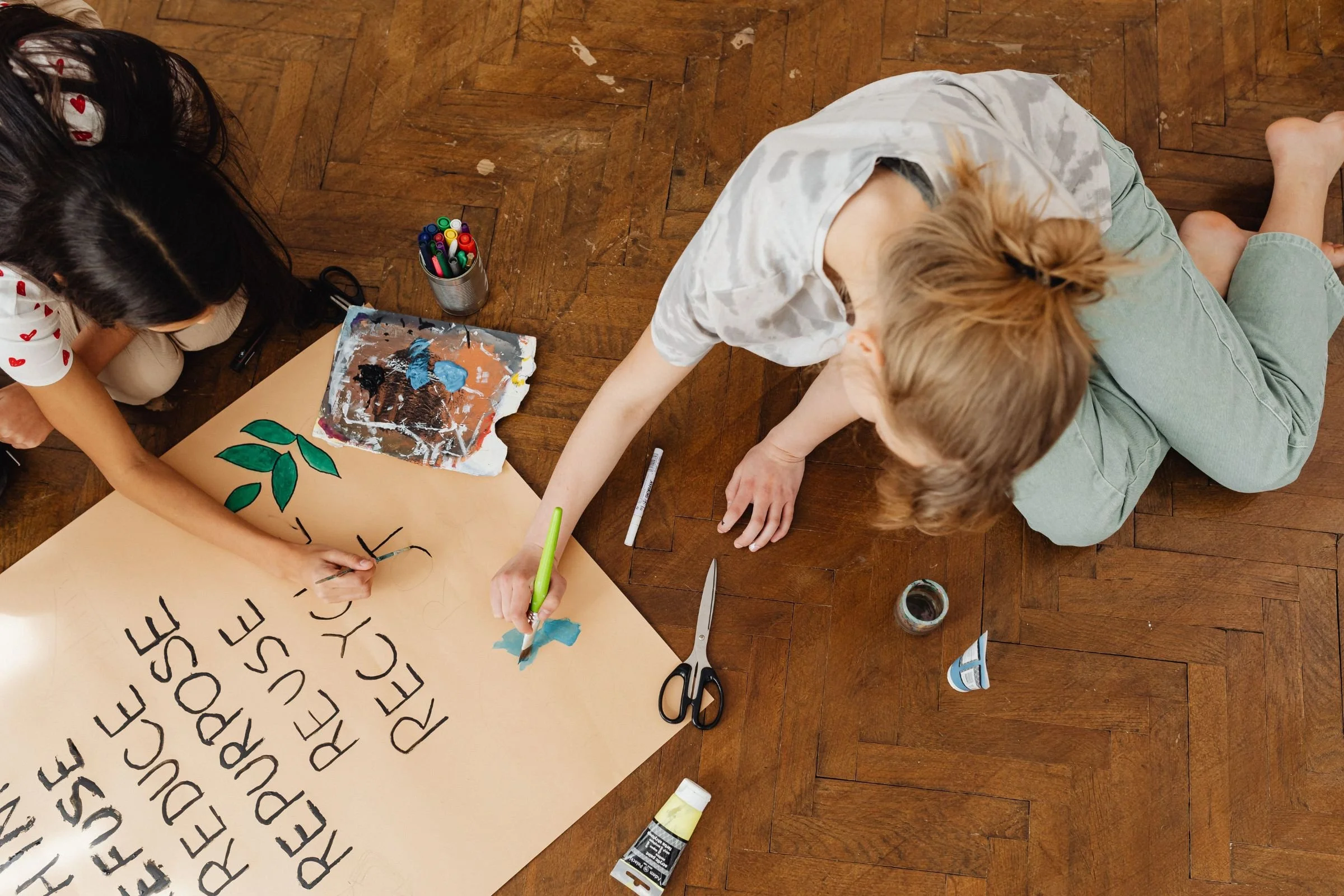
Stepping into shared local projects shifts isolated emotional distress into concrete physical collaboration. When a mind feels burdened by internal noise, shifting focus outward toward hands-on contribution can offer relief. The simple act of painting a public mural, tending a neighborhood garden, or organizing food distribution grounds the body in tactile purpose.
Solitude turns heavy when self-reflection lacks an external outlet. Working alongside others toward a common goal releases the quiet weight of internal pressure, replacing solitary worry with shared momentum.
How collective purpose eases emotional strain
Standing shoulder to shoulder with neighbors shifts the nervous system out of high alert, grounding attention in the physical present. Simple human cooperation brings a natural sense of ease, softening stress while lifting the spirit as heavy thoughts lighten when effort turns outward toward supporting another.
Moving away from constant online exposure into shared physical presence offers welcome relief to an exhausted mind. Low-pressure social environments allow natural conversation to emerge without the performance anxiety of virtual platforms, allowing belonging to grow organically through shared effort.
Subtle ways to build emotional resilience through community action
Low-Stakes Environmental Work: Engaging in outdoor restoration or local garden maintenance provides tactile physical feedback, allowing hands to move productively while the mind resets without conversational pressure.
Skill-Sharing in Intergenerational Spaces: Tutoring younger students or assisting older neighbors creates a reciprocal exchange of dignity, replacing self-doubt with tangible evidence of personal worth.
Interest-Aligned Volunteer Roles: Choosing service projects rooted in creative passions, such as community theater prep or shelter animal care, protects personal identity while establishing organic peer networks.
Micro-Commitment Service Schedules: Participating in defined, short-duration community tasks prevents burnout, establishing predictable touchpoints of outward connection that fit comfortably alongside personal responsibilities.
The adolescent search for purpose and peer connection
The teen years introduce a distinct developmental need for identity and peer acceptance. When social interactions take place primarily through screens, the developing mind can struggle against comparison and isolation. Participating in structured community projects provides adolescents with a grounded framework where self-worth is defined by helpful contribution.
Experiencing tangible results from personal effort also builds deep self-trust during key growth years. Navigating problem-solving alongside peers strengthens emotional resilience, reducing engagement in risky behaviors while setting a foundation for lifelong civic engagement.
Community engagement within residential therapeutic living
Within our houses, therapeutic progress extends far beyond structured clinical hours into everyday community life. Our students step off campus daily to participate in volunteer projects, museum visits, and collaborative artmaking with local children across Salt Lake City. Through our therapeutic residential program and fine arts studio offerings, service activities merge creative expression with authentic connection, helping each girl discover personal passions while building meaningful relationships.
We see our students navigate emotional healing by stepping into active, helpful roles alongside peers and mentors. Contributing to community art projects and taking part in local service initiatives build authentic self-confidence. This integrated approach allows daily off-campus experiences to reinforce internal growth, showing girls that their presence and efforts make a tangible difference in the world around them.
Looking toward lasting human connection
Healing takes root when effort turns outward toward shared human experience. When hands join to support a neighborhood, isolation recedes, leaving behind the enduring inner strength of knowing one belongs to something larger.
References
Northern Virginia Family Service. Benefits of Teen Volunteerism. https://nvfs.org/benefits-of-teen-volunteerism/ (2024).
National Institute of Mental Health. Child and Adolescent Mental Health. https://www.nimh.nih.gov/health/topics/child-and-adolescent-mental-health (2024).