
Finding Stillness in the Wild: Nature and Teen Regulation
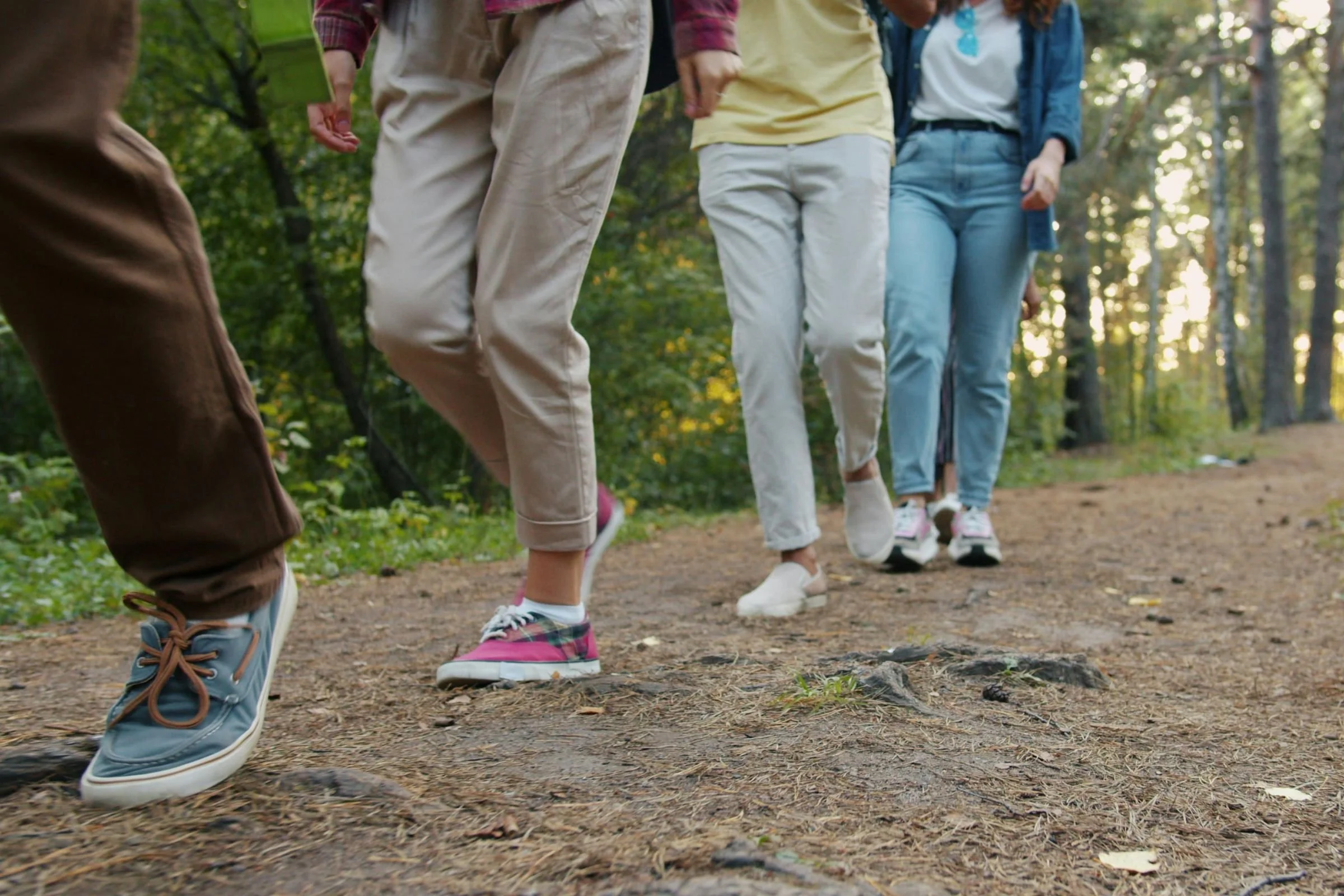
Life for a teenager is usually loud. Between the buzz of a phone and the pressure of a classroom, their brains stay in a state of high alert. This constant demand for attention leads to a specific kind of exhaustion that sleep alone cannot fix. While we usually think of the outdoors as a place for exercise, the real magic of nature lies in how it helps a teen's internal world settle. It provides a rare chance to step away from the noise and find a sense of calm that feels earned rather than forced.
How the brain rests in green spaces
There is a difference between the focus required to scroll through a feed and the focus used while sitting under a tree. Researchers call the intense, draining focus of daily life "hard fascination." It's what happens when a person is overstimulated by screens or social demands. Nature offers "soft fascination" instead. This is a gentler way of engaging with the world where the mind can wander without being drained.
When a teen watches clouds move or notices the pattern of bark on a tree, their brain begins to recover from burnout. This shift helps lower the intensity of their internal "alarm" system. It isn't a clinical fix that happens overnight, but being in a natural environment creates the space needed for emotional healing. It allows for a reset that supports the body's ability to handle stress without feeling constantly overwhelmed.
Building confidence through the landscape
Stepping into the outdoors also serves as a powerful classroom for resilience. When a teen learns to navigate a trail or handle the unpredictable nature of the weather, they develop a sense of mastery that is hard to find in a digital space. This builds a two-fold kind of confidence:
Skill-based mastery: Learning to read a map or pace themselves on a steep climb proves to them that they can solve problems in real-time.
Internal groundedness: Feeling small in a massive forest can actually make personal problems feel more manageable and less like the end of the world.
Experiential resilience: Dealing with a bit of mud or a sudden breeze teaches them that they can handle discomfort and still keep moving forward.
These moments of experiential learning are vital! They show a teen that they are capable of handling big environments, which translates directly to how they handle big emotions.
Moving beyond sensory overload
For a teen who has experienced trauma or chronic stress, the world can feel like a series of threats. Their senses are often dialed up to a ten. Nature provides a low-impact sensory experience that feels safe. The sound of wind or the smell of rain doesn't demand a response the same way a text message does. By spending time in these spaces, they can practice being present in their bodies without the fear of being judged or interrupted. This steady exposure to a calm environment helps them regulate their reactions and find a baseline of peace.
The Salt Lake City perspective
In our neck of the woods, we are lucky to have the mountains right in our backyard. For Eva Carlston students, the transition from the city streets of Salt Lake City to the quiet of the nearby canyons is a literal shift in their environment and a metaphorical shift in their mindset.
We use these outdoor spaces as more than a weekend getaway. They are a core part of how our students practice the skills they learn in therapy. Whether they are hiking through the Wasatch Range or simply sitting in a local park, they are learning that the world is a place where they can feel safe, capable, and connected.
References
Child Mind Institute. Why Kids Need to Spend Time in Nature.(2024).
Greater Good Science Center. How Nature Helps Us Heal.(2025).
American Psychological Association. Nurturing by Nature. (2020).