

Blog

Helping Families Practice Trauma-Informed Care At Home
Trauma-informed care at home means creating a steady environment where trust, safety, and emotional responsiveness guide daily life. Simple habits help build secure connection and support healing for children and teens.

Healing from PTSD Through Connection: How Support Rebuilds Trust
Healing from PTSD through connection begins with trust. Symptoms such as anxiety, withdrawal, and strong emotional reactions can make daily life feel unpredictable. Yet with steady support and a sense of safety, people can regain stability. Over time, consistent care and authentic connection build confidence and encourage lasting recovery.

Creative Projects to Boost Confidence Over Summer
Summer invites a change of pace and a chance to try something different. Creative summer projects for confidence offer meaningful ways to explore identity and personal growth. These activities support emotional expression, build self-trust, and offer calm structure throughout the season.

Recovering from Parenting Mistakes and Reconnecting with Your Teen
Parenting is one of life’s most meaningful roles, yet it comes without a perfect guide. Even with the best intentions, mistakes happen. A harsh word, a moment of impatience, or a misunderstanding can create distance between parent and teen. While these moments feel discouraging, they also offer important opportunities to model repair, accountability, and emotional growth. Recovering from parenting mistakes takes time, care, and a willingness to rebuild connection
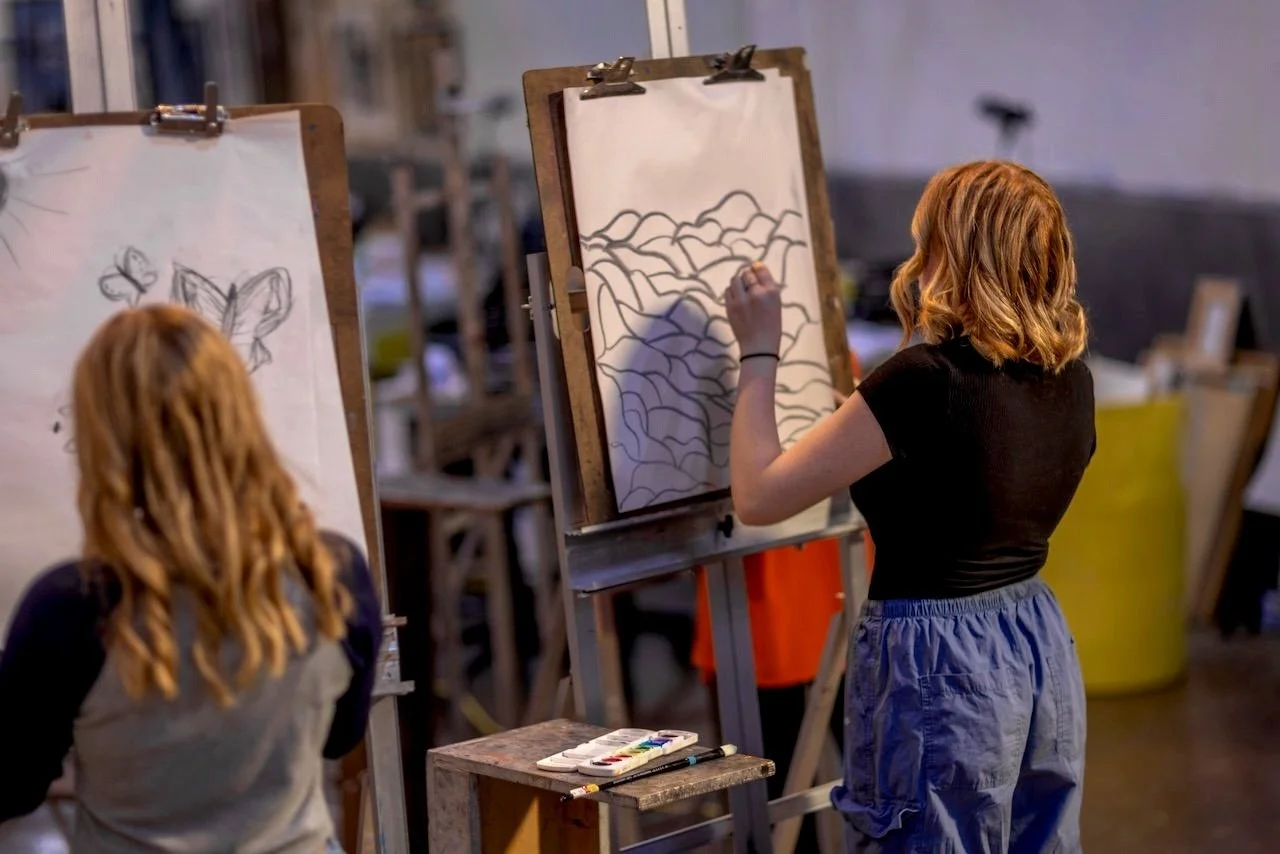
Art, Nature, and Healing: Unique Therapeutic Opportunities in Utah
Therapeutic opportunities in Utah are as unique as the landscape itself. For those working through emotional challenges, the state’s incredible natural beauty and thriving arts culture provide space to breathe, reflect, and heal. For teenagers, these experiences offer a valuable chance to step away from daily stress and focus on personal growth.

Building Confidence and Skills Through Experience at Eva Carlston
Some of the most lasting lessons take place far from a desk. Real growth often begins when students are asked to do something for themselves—to contribute, create, or try. These hands-on experiences help build responsibility, self-expression, and life skills that extend beyond the classroom.

Grounded and Growing: How Time Outdoors Builds Emotional Stability in Teens
When emotional overwhelm builds, nature offers a steadying presence. It doesn’t rush. It doesn’t expect. For teens working through intense emotions, trauma, or self-discovery, being outside provides more than a pause in the day. It reconnects them with something steady and real. A quiet walk under trees can calm racing thoughts and help bring focus back to the moment.
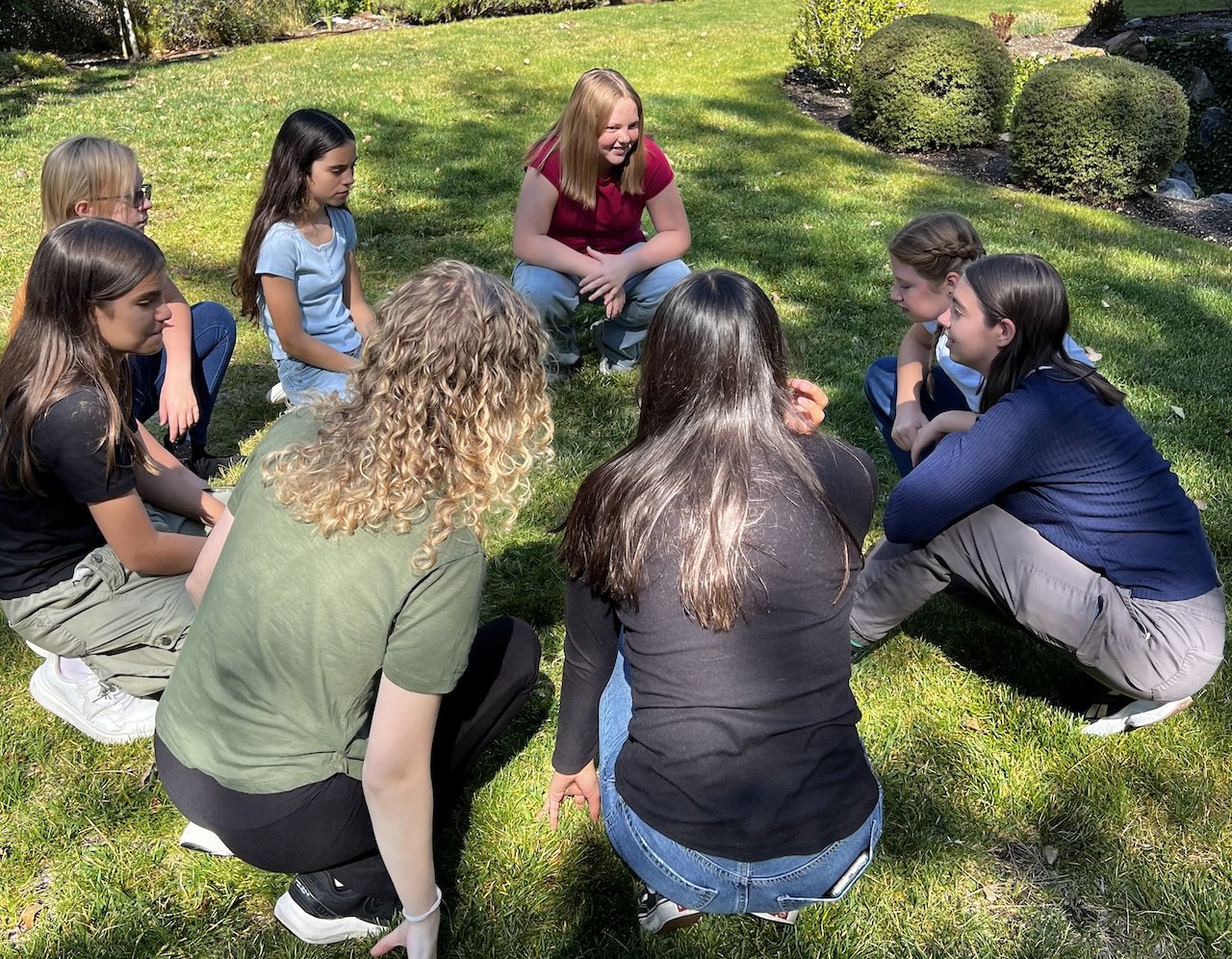
Embracing Imperfection in a World That Pushes Perfection
Perfection is everywhere—on screens, in classrooms, even in casual conversations. For many young women, the pressure to succeed, appear confident, and meet impossible standards can feel overwhelming. Embracing imperfection in teens is one of the most powerful ways to reduce that pressure. It gives them the chance to grow without fear, to try without shame, and to redefine success on their own terms.
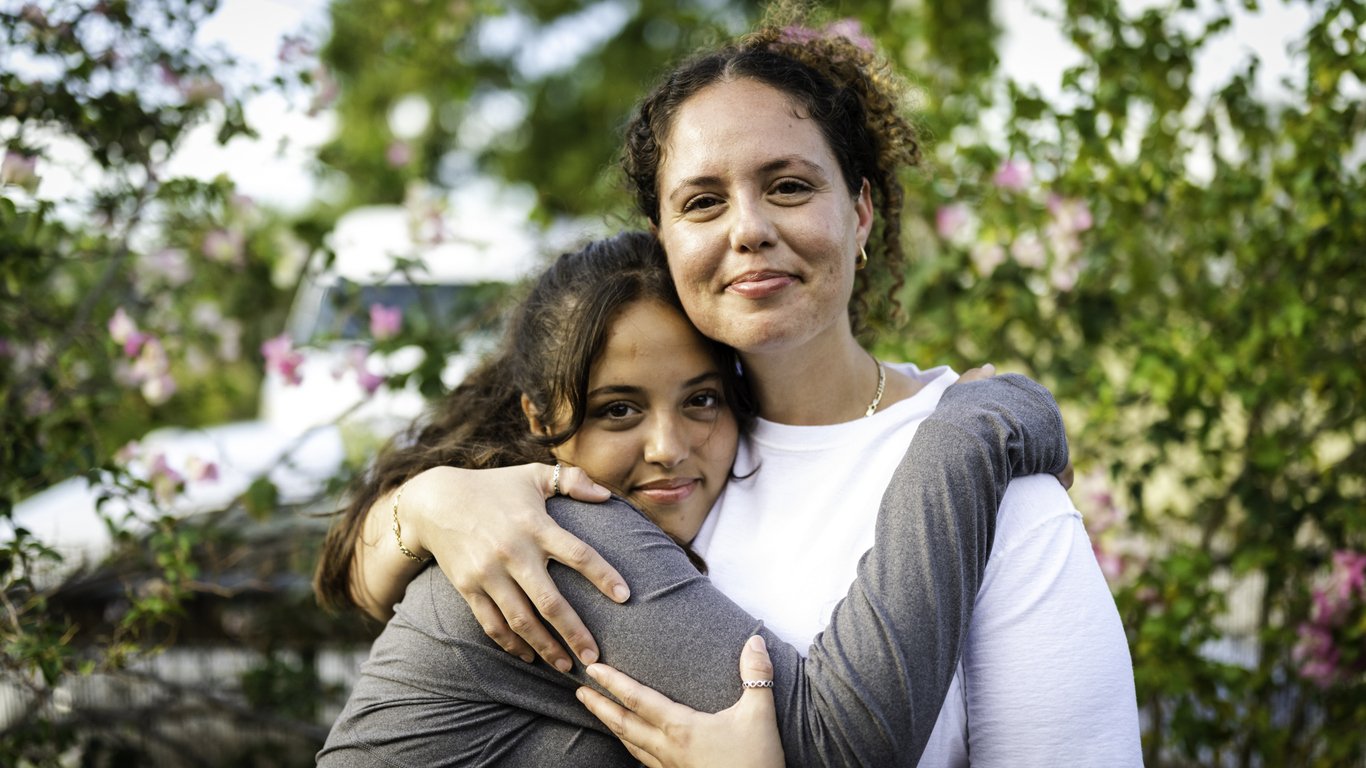
Small Shifts, Big Relief: Everyday Practices to Ease Stress for the Whole Family
Stress has a way of creeping into daily life, quietly at first, then all at once. Finding consistent family stress relief doesn’t have to be complicated. For many, stress isn’t tied to major life events but to the steady build-up of pressure, overcommitment, and emotional noise. While there’s no single fix, small shifts in how we move through the day can create meaningful space for calm.

Understanding and Applying Trauma-Informed Care in Therapy
Trauma leaves an imprint, not just on the mind, but on how young people move through the world. For many girls, past experiences shape how they respond to relationships, expectations, and even kindness. In a therapeutic setting, recognizing this impact changes everything. It shifts the tone of each conversation, the pace of progress, and the approach to healing.
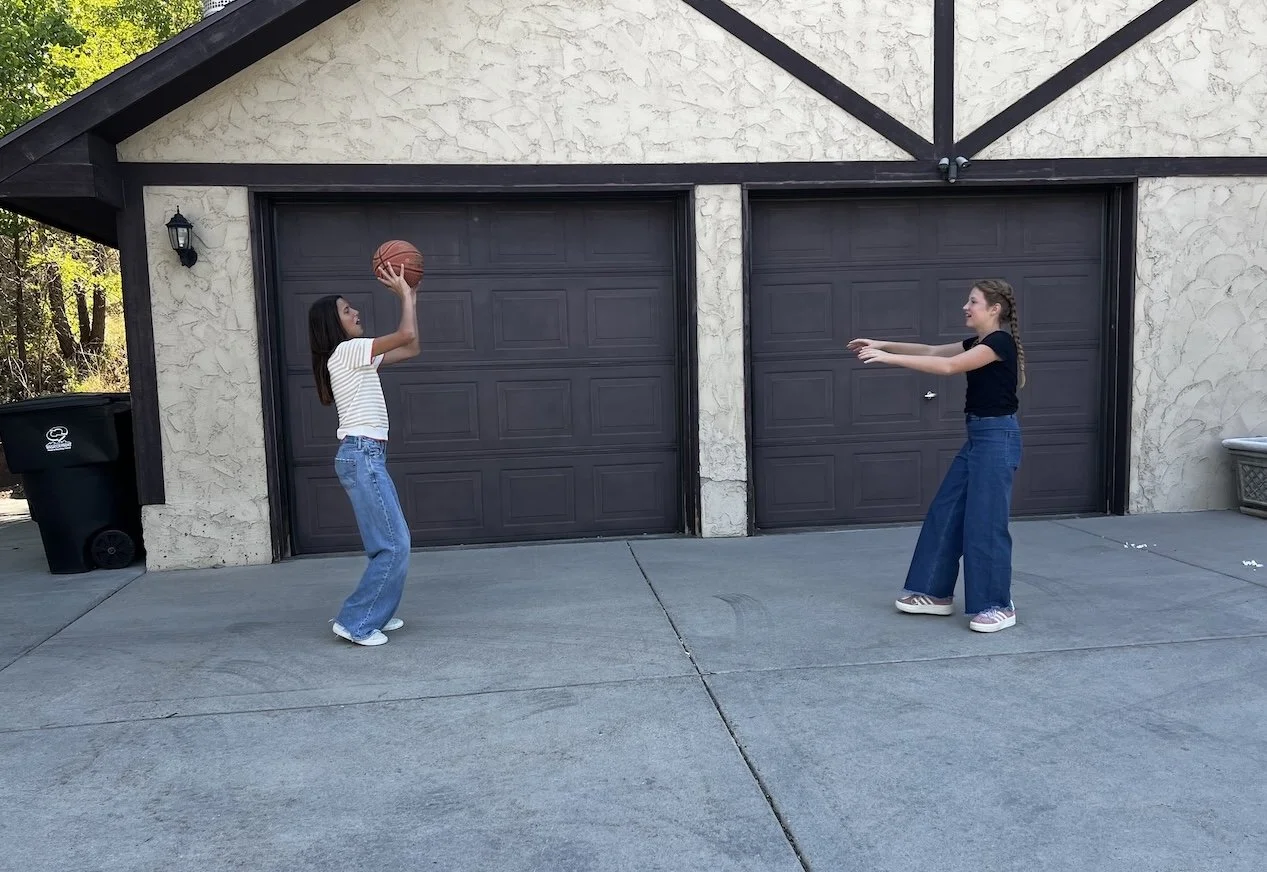
How Trying New Things Can Transform the Brain
Time seems to slow down during new experiences. Learning to snowboard, painting for the first time, or experimenting with a new recipe engages the brain in exciting ways. Trying new things for brain development not only adds variety to life but also strengthens the brain and builds valuable skills.

Emotional Overload: What to Do When Everything Feels ‘Too Much’
Feeling overwhelmed can be exhausting, especially when emotions build up and seem impossible to manage. For young people navigating school, relationships, and personal challenges, those feelings can become intense. It’s easy to spiral into frustration, sadness, or even complete shutdown during feelings of emotional overload. Knowing how to reset in these moments can help bring calm and clarity.

The Power of Daily Habits: How Small Actions Can Help Teens Feel Grounded
Adolescence is often marked by change, uncertainty, and emotional ups and downs. For many teens, finding a sense of stability can feel challenging. Developing meaningful daily habits can provide comfort, structure, and a sense of control. These small actions may seem simple, but they can have a lasting impact on emotional health and overall stability.
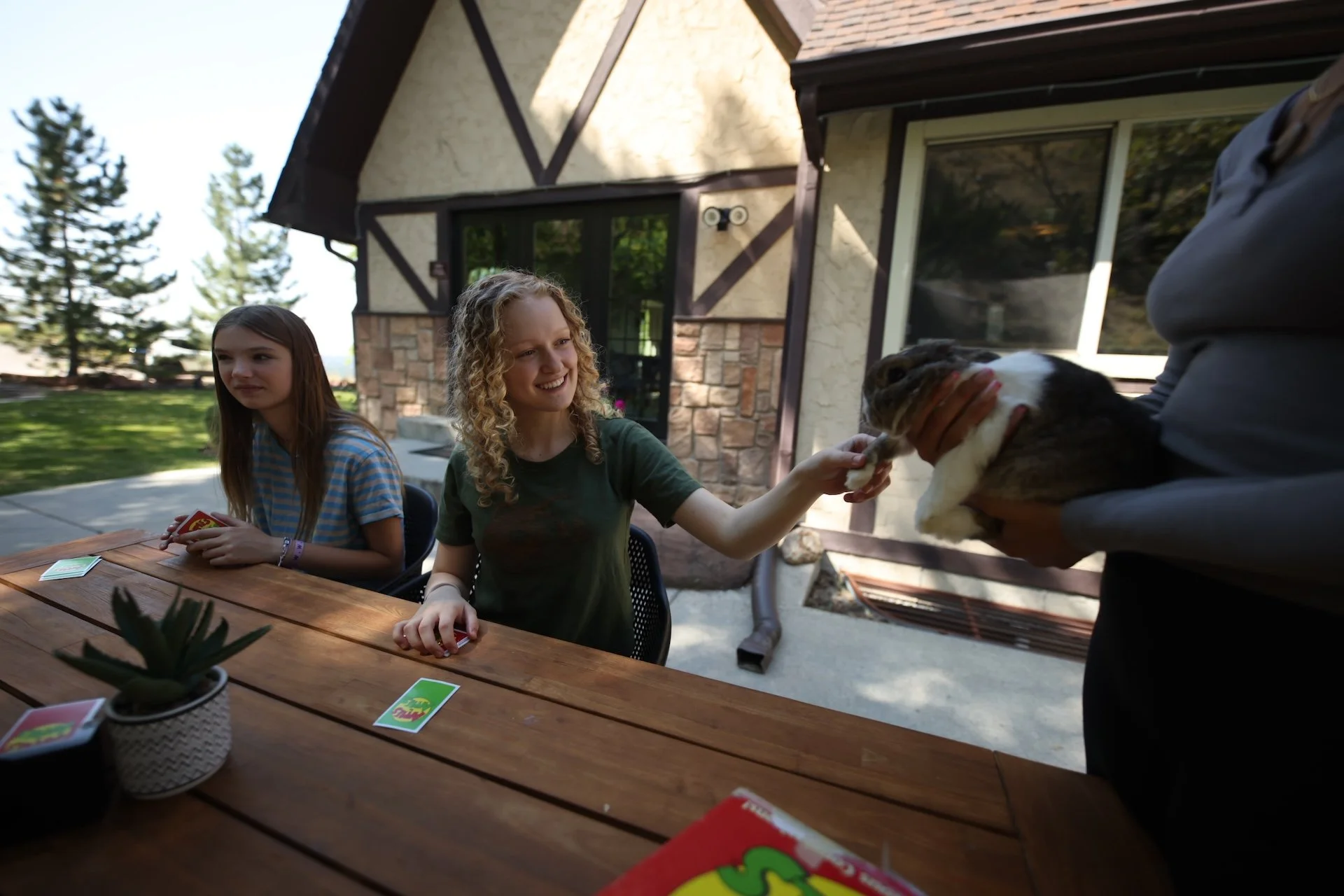
Beyond Talk Therapy: How Eva Carlston Academy Helps Girls Transform Their Lives
When a student is struggling with emotional or behavioral challenges, effective therapy is crucial to her healing. At Eva Carlston Academy, therapy isn’t just about addressing the symptoms—it’s about empowering each student to understand herself, build healthier relationships, and rediscover a sense of purpose.
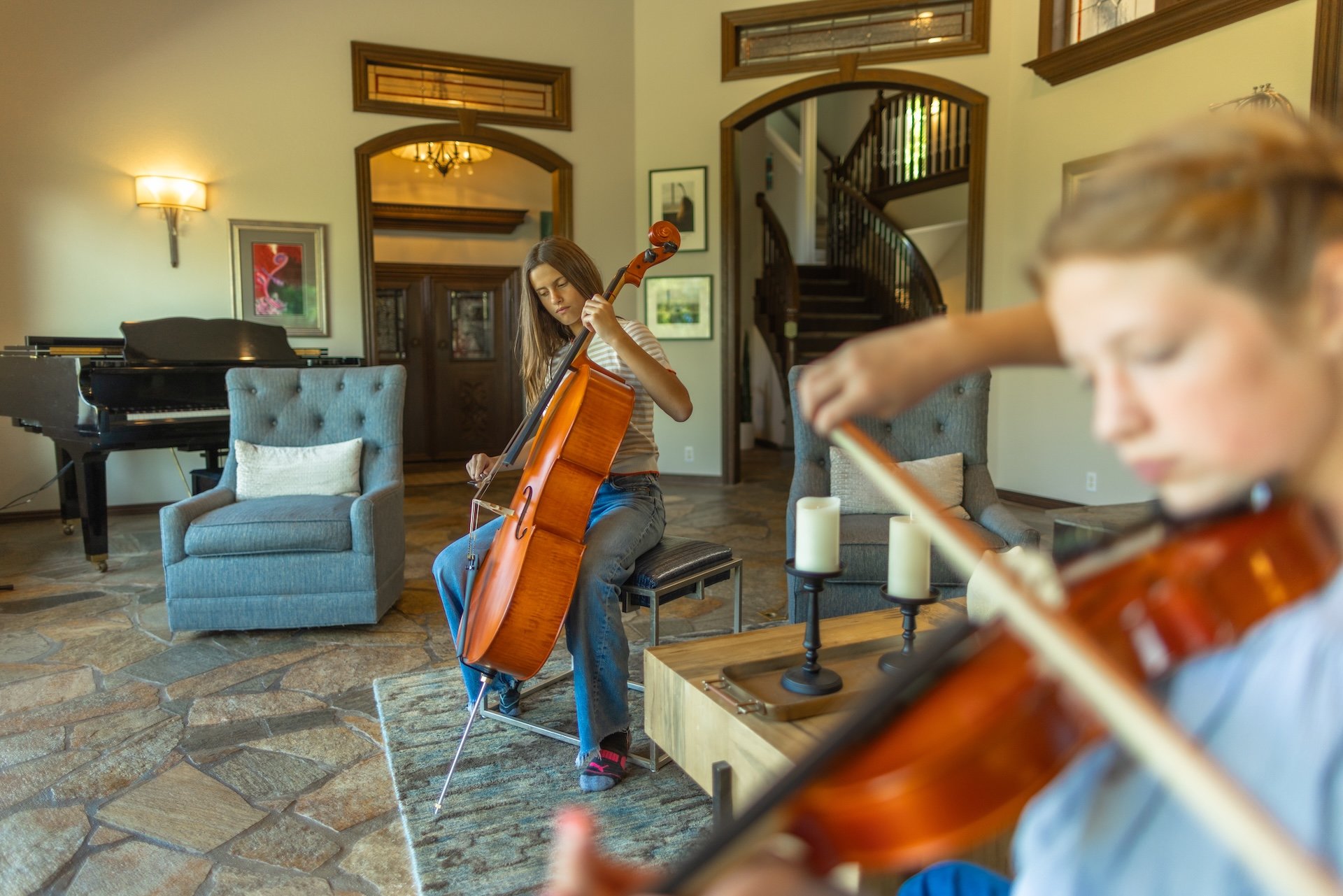
Unlocking Healing Through Music Therapy
Music has the ability to evoke emotions, bring back memories, and create deep connections. But beyond its entertainment value, music therapy has proven to be a powerful tool for emotional, cognitive, and social healing. Whether through active participation or passive listening, engaging with music in a therapeutic setting offers a range of benefits for individuals of all ages, especially teens.

Animal-Assisted Therapy: How It Supports Mental Health and Healing
Animal-assisted therapy is an important part of mental health treatment, especially for adolescents facing emotional and behavioral challenges. The connection between humans and animals offers security and companionship that can be hard to find elsewhere. For teens struggling with anxiety, depression, trauma, or social difficulties, this therapy creates opportunities for healing in a way that feels natural and nonjudgmental.
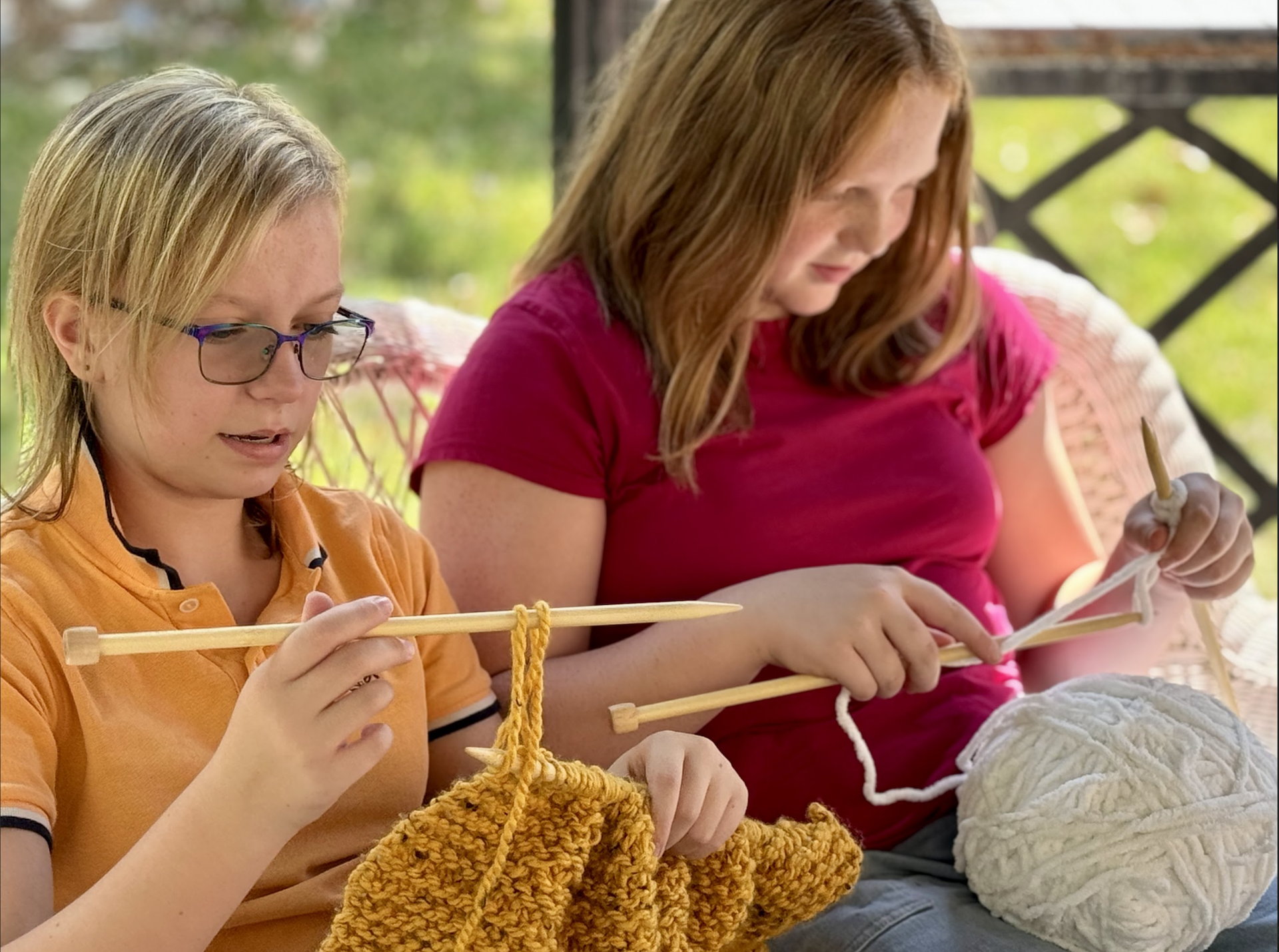
Art Therapy for Healing Trauma: How Creativity Builds Confidence
Art therapy for healing trauma provides a creative way to process emotions and rebuild confidence. Through artistic expression, individuals can explore difficult experiences, gain insight, and develop healthier coping strategies. This approach makes healing more accessible for people of all ages, offering a non-verbal path to self-discovery and emotional balance.

Sleep as Emotional First Aid: How Rest Helps Us Heal
Sleep is a powerful tool for emotional healing. While it plays a critical role for teens navigating the challenges of growth, relationships, and responsibilities, sleep benefits people of all ages by offering relief and balance after difficult days. When we rest, the brain processes emotions, organizes memories, and helps us wake up with a steadier outlook.

Nurturing Minds Through Education: Building Critical Thinkers
Education at Eva Carlston Academy goes beyond simply gaining knowledge. It’s about helping girls develop the skills and mindset they need to approach life’s challenges with confidence! One of the cornerstones of our academic approach is developing critical thinking skills, empowering students to evaluate, analyze, and innovate. These skills are essential not only for academic success but also for personal growth and meaningful contributions to society.

Setting Boundaries for Emotional Growth and Healthy Relationships
Navigating relationships can be tricky, especially for teens and young adults who are learning how to manage emotions and expectations. Setting boundaries for emotional growth is one of the most important skills to develop during this stage. At Eva Carlston Academy, young women discover the power of boundaries and learn how to create respectful, meaningful connections that encourage self-confidence and personal growth.