
Volunteer to Grow Confidence and Connection
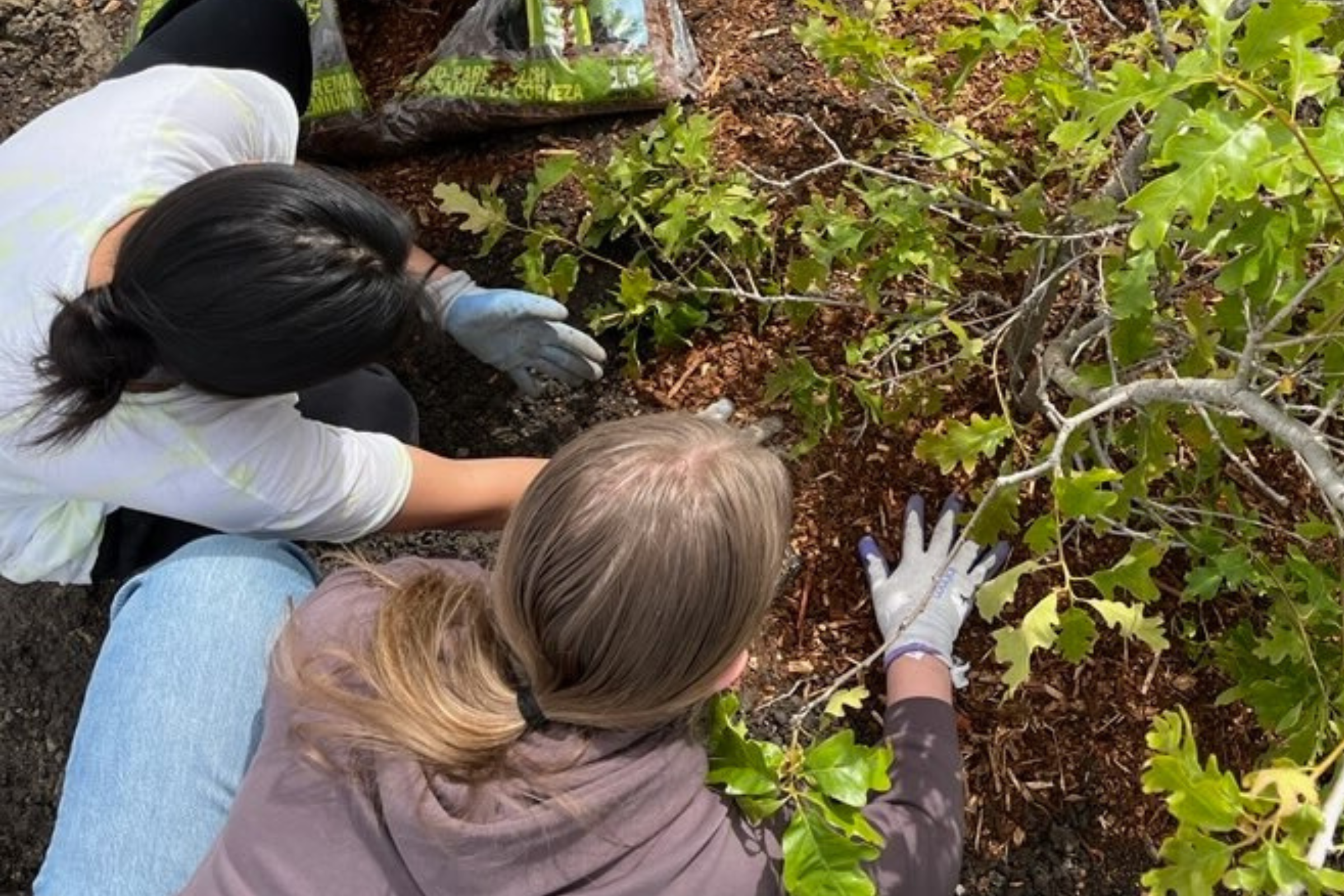
Real growth shows up in small choices. One hour stocking a pantry shelf. Forty minutes greeting guests at a community event. A half day helping children explore paint and paper. For adolescents, these moments of service create a steady runway for confidence and connection. For caregivers, they offer a practical way to support skill-building without adding pressure.
Why volunteering helps teens feel capable and connected
Volunteer roles give teens a safe place to try skills they are learning at home and in school. They practice eye contact and simple introductions. They ask for what is needed and accept feedback. They notice what went well and what to adjust next time. These repetitions strengthen communication and follow-through, which then travel into classrooms, friendships, and family life.
Research adds helpful context. A national study reported that children and teens who volunteered were 66 percent more likely to be rated as “flourishing” based on measures of curiosity, task-completion, and staying calm during challenges.
A realistic one-hour-a-week challenge
A challenge only works if it is truly manageable. This version respects busy family schedules and different comfort levels.
Pick one role that fits a real interest
Start with what already draws your student in. Animals, art, parks, sports, books, gardening, food access, or neighborhood cleanups. One role is plenty for the first month.
Time-box it to one hour
Choose a recurring one-hour window you can keep. For example, Saturdays from ten to eleven or one weekday early evening. If a host site requires a longer shift, share responsibilities with a caregiver or staff member so the teen’s on-site time stays near sixty minutes. The goal is consistency over intensity.
Use a three-step plan for first days
Arrive ten minutes early. Ask a simple orientation question. What would be most helpful to start? Confirm the end time and how to hand off tasks. This keeps expectations clear and lowers first-day nerves.
Debrief with three quick reflections
What went well? What was hard? What do you want to try next time? Keep it brief so you end on a feeling of capability rather than critique.
Adjust without judgment
If the role is not a fit, switch to a different setting. Many teens prefer behind-the-scenes tasks at first and move toward public-facing roles later.
Tips for caregivers that make service feel safe and doable
Let teens lead the matching process
Offer two or three options that align with their interests and current capacity. Choice supports buy-in and confidence.
Prepare the soft skills that smooth the day
Practice a greeting, a thank you, and a simple way to ask questions. A quick role play in the car can lower anxiety and set a positive tone.
Focus on effort and specifics
Name what you saw. You kept going when the line got busy. You checked back in when you were unsure. Concrete feedback makes growth visible.
Watch for stretch versus strain
The right role stretches a comfort zone without overwhelming. If you see dread or shutdown, reduce intensity or duration. The point is steady practice, not endurance.
Connect the dots back home
Help teens notice how service skills show up in daily life. The patience you used with guests is the same patience that helps during homework. This reflection makes skills portable.
Volunteer roles that build confidence by design
The best roles pair meaningful contribution with quick wins. Here are categories that work well for beginners and for teens returning to service after a break.
Greeter and wayfinding helper
Welcome visitors, offer simple directions, and answer basic questions. Builds voice, eye contact, and calm problem-solving.
Hands-on beautification
Planting, weeding, litter pickup, and light maintenance. Offers visible progress and teamwork with low social pressure.
Creative mentoring with children
Assist at a kid-friendly art table or family activity. Practices patience, modeling, and encouragement with clear boundaries.
Sustainability stations
Help guests sort compost, recycling, and trash. Develops clear communication and confidence when guiding peers and adults.
How to connect service with school and therapy goals
To make service stick, link it directly to academic and therapeutic work in one simple loop: set a micro-goal that mirrors current targets at school or in therapy, notice one in-the-moment try during the shift, and share a one-sentence recap with the adults who support your teen.
For school, align volunteer tasks with IEP or classroom goals such as sustained attention, social communication, or task initiation, then pass along a brief note—Stayed on a task for 20 minutes without prompts or Asked for help using a clear, calm voice—so teachers can reinforce the same skill during class.
For therapy, pair service with current practice like behavioral activation, exposure with response-prevention in low-stress settings, or assertive communication, then mention one example at the next session.
This school-therapy-home triangle keeps expectations consistent and turns one-hour-a-week practice into durable habits.
A quick reality check for families
Nonprofits need your help. In 2025, Points of Light reported that approximately 50 percent of critical volunteer openings remain unfilled each year, which means even one steady hour matters.
How this shows up at Eva Carlston
Eva Carlston’s setting places students near cultural, educational, and outdoor resources. Our Urban Integration focus is the thread that helps students take learning off campus in structured, purposeful ways—museum and gallery visits, music and theater performances, outdoor time in nearby parks and on local trails, and age-appropriate volunteer opportunities and service projects.
Our outings are planned with intention and supported by staff so students can practice decision-making, time management, and social interaction, then carry those insights back into daily life.
Start today
One hour a week is enough. Choose one role that fits, show up with support, reflect briefly, and keep going. Over time, those hours turn into evidence a teen can point to when life asks for courage and care.
More from our blog
For a deeper look at how belonging strengthens follow-through and confidence, read Why Connection Makes Skills Stick.
If a teen feels not-yet-ready to volunteer, try gentle stretch steps in Making Room for Growth When It Feels Uncomfortable.
For outdoor service ideas that build steadiness and connection, read How Time Outdoors Builds Emotional Stability.
To understand why trying new roles supports focus and confidence, read How Trying New Things Can Transform the Brain.
References
Lanza K, Hunt ET, Mantey DS, et al. Volunteering, Health, and Well-being of Children and Adolescents in the United States. JAMA Network Open. 2023.
Points of Light. From Nice to Necessary: Unleashing the Impact of Volunteering Through Transformative Investment. April 2025.