
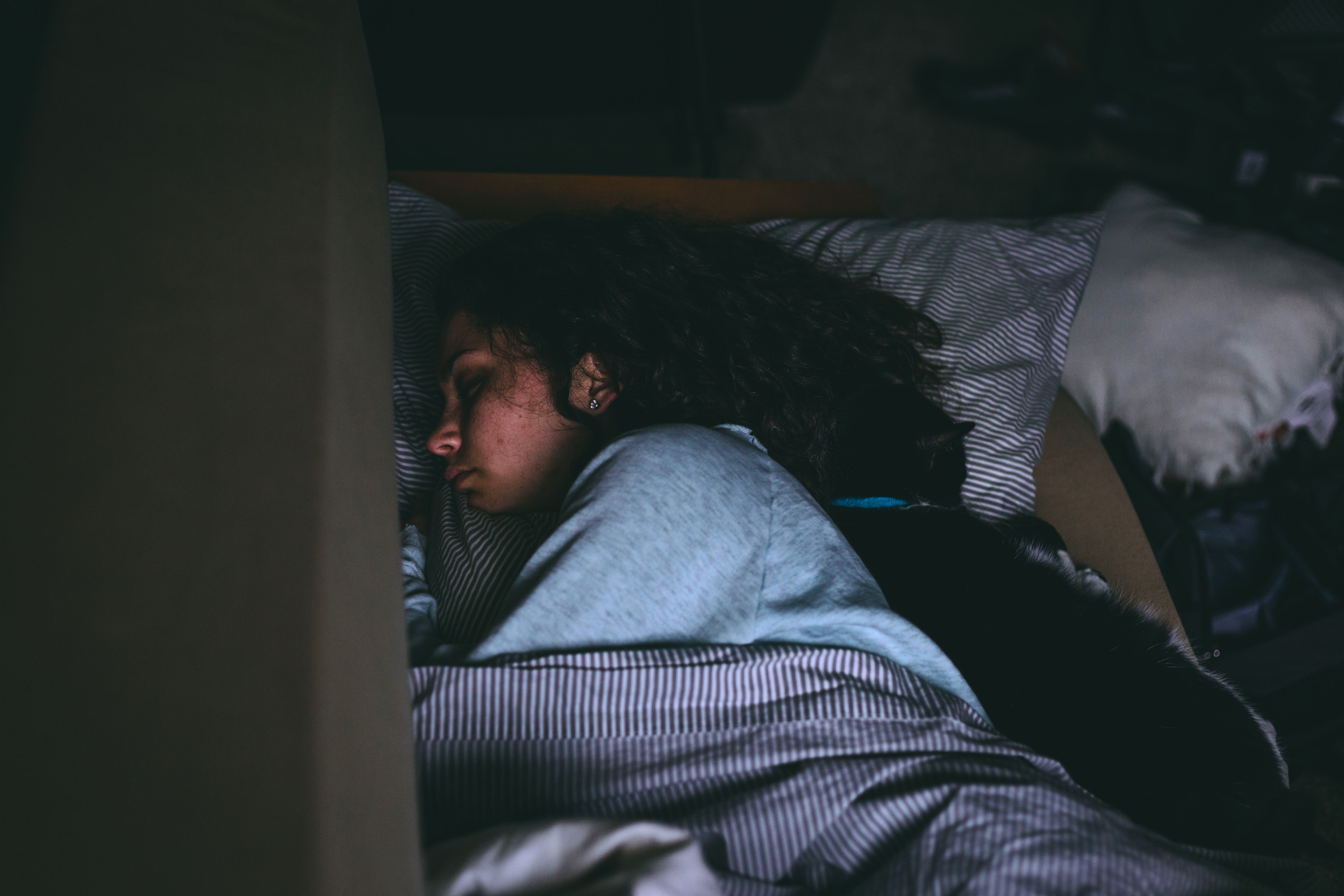
Sleep and mental health are deeply connected. When we care for sleep, mood steadies, learning comes easier, and the body feels safer. This is true for adults, and it is especially important for adolescents who are growing, changing, and taking on more each year.
Why sleep supports emotional balance
Healthy sleep helps the brain process feelings, sort memories, and restore energy. After a full night of rest, small stressors feel manageable. Irritability softens. Patience returns. When sleep is short or inconsistent, the opposite often happens. Emotions can feel louder, and it is harder to regulate reactions. Over time, steadier sleep patterns are linked with lower stress reactivity and better overall mental health.
How sleep fuels learning and mood
Learning sticks during sleep. At night, the nervous system organizes what was studied and practiced during the day. With consistent sleep, attention improves, recall sharpens, and complex tasks feel more manageable. This pattern shows up across ages and is especially meaningful for adolescents who juggle classes, activities, and social life.
Mood follows a similar rhythm. Adequate sleep time and predictable timing ease next-day irritability and support a calmer baseline for decision making and problem solving. Across studies and surveys, better sleep quality tracks with better mental well-being.x
Teen sleep, growth, and mental health
During the teen years, body clocks often run later, so it can feel natural to fall asleep later at night and wake later in the morning. When evening schedules push even later or mornings start early, overall sleep can shrink. Short nights raise daytime sleepiness and make schoolwork and emotions harder to manage.
Most teens do best with eight to ten hours of sleep in a 24 hour period, with some needing a bit more during periods of heavy growth or stress. These steps help adults too, yet they are especially helpful for teens who carry academic pressure and social change.
Practical habits that are real life
Perfect routines are not required. A few grounded moves go a long way.
Keep a steady wake time most days, which anchors the body clock and makes bedtime arrive more naturally.
Morning light helps, even on cloudy days. Natural light soon after waking supports daytime alertness and better sleep at night.
Plan heavier thinking earlier when possible, and leave simpler tasks for the end of the day. This prevents late night overdrive.
Set a caffeine cutoff by midafternoon. That 8 pm soda tends to clock in at midnight too, and the brain notices.
If a nap is needed, keep it short and earlier in the day, about 20 to 30 minutes, so night sleep stays deep.
Keep screens out of bed, and reduce interactive screen use close to lights out. Quiet, passive viewing has less impact than gaming or multitasking once in bed.
Study-smart evening plan that protects sleep
A calm, study-smart flow can keep assignments moving while respecting rest. Here is a simple template that programs can adapt to household needs.
After school to dinner, recharge and review. Light movement, a snack, then a short review of notes to reinforce learning without heavy lift.
Early evening, focus block. One or two focused work periods, about 25 to 40 minutes each, with short breaks. Prioritize the hardest subject first, then shift to medium effort tasks.
Mid evening, organize for tomorrow. Pack materials, set out clothes, jot a brief plan for the next day. A prepared morning reduces late night racing thoughts.
Last hour before bed, protect the runway. Screens off or away from bed, gentle activities like reading, sketching, or a puzzle. Keep lights on the warm and dim side.
Bedtime window, lights down and wind down. Aim for consistency within a 30 minute window most nights so the body learns the rhythm. Morning light and a reliable wake time complete the loop.
Bringing it back to mood and learning
When sleep improves, mood becomes more even, attention sharpens, and memory holds more of what was studied. For teens, this often looks like better mornings, steadier energy for classes and practice, and more balanced reactions to social stress. For families, predictable evenings and calmer nights can ease conflict and support healing.
Support at Eva Carlston
Eva Carlston builds consistent, calm rhythms that make healthy sleep possible. Evenings are structured, academic planning respects cognitive load, and environments feel safe enough for rest. These supports reinforce the link between sleep and mental health and help students carry steadier focus and mood into each day.
Keep the focus simple! Good sleep makes it easier to notice what is being felt, name it, and move through it with care. Over time, this steadiness supports recovery, resilience, and a kinder inner voice.
References
National Sleep Foundation. Sleep Health and Mental Health — Position Statement (2024).
Sleep Foundation. Mental Health and Sleep (2025).
American Academy of Sleep Medicine. Recommended Amount of Sleep for Pediatric Populations, Consensus Statement (2016) and Teen Sleep Duration, Health Advisory (2019).
JAMA Pediatrics. Brosnan B, et al. Screen Use at Bedtime and Sleep Duration and Quality Among Youths (2024).